Get Full Government Meeting Transcripts, Videos, & Alerts Forever!
Get email alerts on the Digital Collections topic
No spam. Unsubscribe anytime.
APL staff outline complex ebook, audiobook and streaming purchasing models; staff urge measured budgeting
Summary
Library staff gave a detailed briefing on how digital collections work — including Kanopy, Hoopla and Libby/OverDrive — and explained pricing models (one‑copy/one‑user, metered access, cost‑per‑use) and statewide programs designed to reduce hold times; staff said libraries face rising per‑use costs and must use caps and pooled purchases to contain
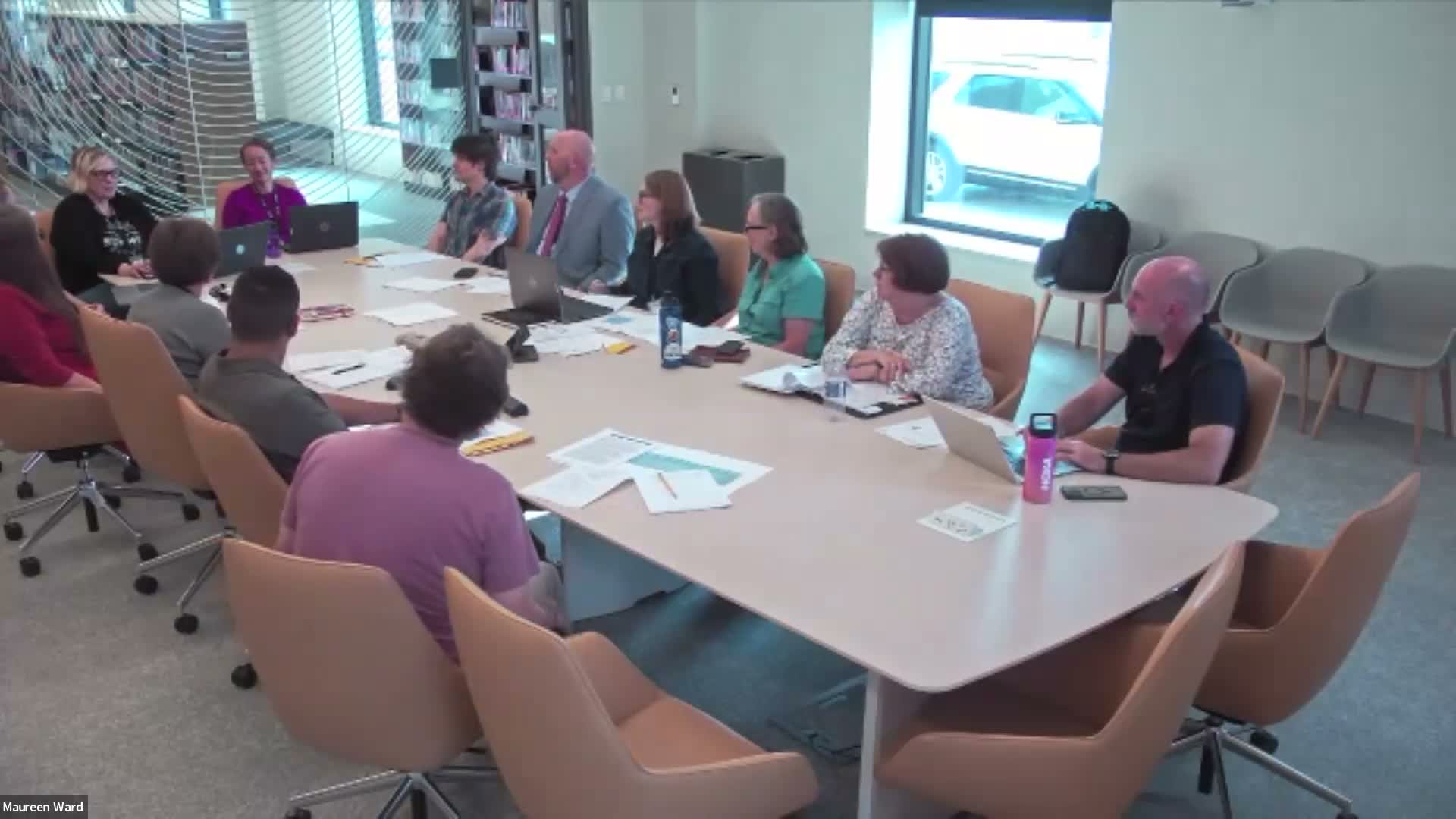
Appleton Public Library staff gave trustees an overview of electronic resources procurement at the Aug. 19 meeting, describing how different platforms, licensing models and statewide buying pools affect access, cost and patron wait times for ebooks, eaudiobooks and streaming media.
Staff framed the core distinction for trustees as “access, not ownership.” They explained three broad categories of digital offerings: research databases and online learning platforms (subscriptions that allow simultaneous access under license), and electronic resource collections (ebooks, eaudiobooks, streaming video and digital magazines) that use loan‑style models similar to physical materials.
Staff described major platforms and cost models: - Kanopy (OverDrive-owned): patrons receive a limited number of monthly “tickets” to redeem for films; ticket costs vary and the library benefits from group purchasing discounts negotiated at the system level. - Hoopla: pay‑per‑use model; the library previously faced sharply rising invoices and has capped per‑patron borrows and set a per-click cutoff (library capped access to titles costing $1.99 or lower) to control monthly costs. - Libby / OverDrive (Wisconsin Digital Library/WPLC): holds and immediate checkouts both occur; libraries can buy “advantage” copies that prioritize local patrons in hold queues. Staff explained purchase options including one‑copy/one‑user, metered access (time or number of checkouts), and cost‑per‑use.
Staff walked trustees through examples showing how a title’s availability and the publisher’s chosen pricing model can make a large difference to both patron wait time and library cost. For example, staff showed that a metered 12‑month copy may be cheaper than cost‑per‑use for a title with a large hold queue, but libraries must repurchase at the end of the meter if demand continues.
Staff also described cooperative statewide purchasing through the Wisconsin Public Library Consortium (WPLC) and system‑level advantage purchases, which together help reduce hold times. Staff said libraries in the region are experimenting with pooled monthly audiobook purchases to reduce queues.
Trustees asked about patron reaction to prior reductions to Hoopla access; staff said the library received complaints when it capped Hoopla but defended the change as a cost‑control measure. Staff said library materials budget levels are back to preconstruction levels, which gives the library increased flexibility for advantage purchases and hold‑queue reduction efforts.
No vote was required; staff sought trustee awareness and guidance on prioritizing materials purchases and on balancing instant access versus cost containment.