Get Full Government Meeting Transcripts, Videos, & Alerts Forever!
Get email alerts on the Manufactured Housing Policy topic
No spam. Unsubscribe anytime.
Work group examines allowing manufactured homes in residential zoning and fee‑simple ownership options
Summary
Delegates and advocates discussed whether Virginia should remove local barriers to manufactured homes, permit them in residential districts and create incentives for manufactured‑home subdivisions. Supporters said fee‑simple ownership would improve affordability and wealth building; industry representatives urged choice and noted existing locality‑
Delegate Ibraheem Maldonado introduced a request to study whether state law and local zoning could better enable manufactured‑home subdivisions and pathways for manufactured homes to be treated as real property, rather than chattel, in some contexts. Maldonado said manufactured homes are a low‑cost pathway to homeownership but that many residents are excluded from mortgage and other benefits because their homes are treated as personal property.
Why it matters: Advocates said converting manufactured homes to fee‑simple ownership or removing local prohibitions would expand affordable homeownership opportunities and protect residents who currently live in park communities where land is controlled by park owners.
Key testimony: Christie Marrow of the Virginia Poverty Law Center told the work group manufactured homes are the most affordable unsubsidized route to homeownership and that treating homes as real property would improve access to mortgage financing and equity accumulation. Randy Grumbine of the Virginia Manufactured and Modular Housing Association said his group supports fee‑simple ownership, which would also allow localities to tax property and increase local revenues; Grumbine also noted manufactured houses remain a portable product and that personal‑property financing options remain important.
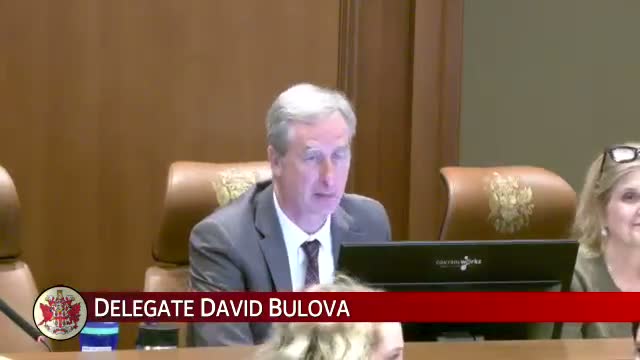
Local code approaches and a possible model: Members and staff discussed examples from other states, and Chair Delegate David Bulova cited a Florida statute concept that requires localities to permit HUD‑code manufactured homes that meet structural standards to locate in residential districts. Delegates suggested a non‑mandatory, incentive‑based approach that would preserve existing parks but enable localities to permit manufactured home subdivisions or allow individual manufactured homes as an accepted housing type in residential zoning.
Next steps: The work group asked staff and interested stakeholders to examine statutory language from other states (including the Florida approach mentioned in discussion) and to provide model language and potential incentives for local adoption. Delegate Maldonado emphasized the proposal is voluntary for localities and not a mandatory conversion of existing parks.
Ending: Staff and advocates will return with model code or statutory language for further discussion.