Get Full Government Meeting Transcripts, Videos, & Alerts Forever!
Get email alerts on the Infrastructure And Projects topic
No spam. Unsubscribe anytime.
SFPUC reports CIP schedule slips, large cost increases and sensitive burials at watershed site
Summary
SFPUC staff reported multiple capital improvement variances: the West Side recycled water project is about $19 million over budget and 20 months late, Sunol Yard/watershed center combined estimate rose to about $87 million, and sensitive tribal burials (about 25) were found at the watershed center footprint; Calaveras Dam construction continues after emergency repairs.
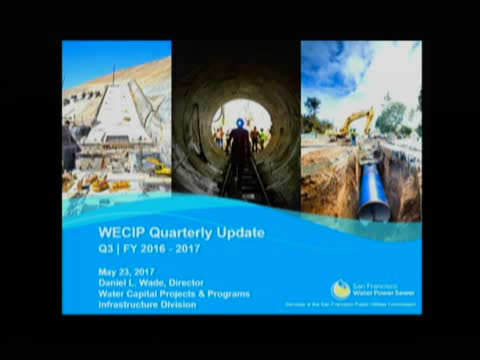
Dan Wade, Director of Water Capital Projects and Programs, briefed the Commission on May 23 on cost and schedule variances across the Water Enterprise CIP. He highlighted several items that have slipped or exceeded baseline budgets: the Calaveras microturbine project is about eight months behind; the Daly City recycled water expansion is roughly seven months delayed; and the West Side recycled water project is about $19,000,000 over budget and 20 months behind schedule owing to higher bids and constructability reviews.
Wade said San Francisco waterline replacements were forecast at about 10.6 miles for the year, below the 15‑mile target, largely because SFPUC coordinates work with other city agencies (DPW, MTA) and sometimes is not the lead on multimodal street projects. Commissioners pressed staff to itemize which replacement miles SFPUC leads and how interagency coordination affects progress and costs.
On the Sunol site, staff reported a combined budget increase (yard plus watershed center) from about $50 million to approximately $87 million. Most of the increase is tied to the watershed center and higher costs for above‑ground structures; staff said they have pursued value engineering and are evaluating three options: maintain the design with tradeoffs elsewhere, significantly scale back the design, or phase construction.
Wade also reported that archaeological work at the watershed center footprint has uncovered about 25 burials; SFPUC is excavating by hand, working directly with the tribal representatives and following CEQA and tribal‑consultation protocols.
On the WSIP and Calaveras Dam program, Wade said the program is more than 94% complete. The Calaveras Dam replacement is back in full production after emergency road repairs; staff reported more than 8,000,000 cubic yards excavated to date and that the placed dam fill is now rising (staff noted the dam is about 30 feet high at the reported vantage). The Alameda Creek recapture project is expected to proceed to the Planning Commission for final EIR in June.
Commissioners asked detailed questions about bidding environment, whether cost increases were split between the yard and watershed center, and the options staff will present; staff pledged a CIP follow-up and to provide a memo on construction change order drivers and possible remedies.
Next steps: staff will return with a CIP review addressing options for the watershed center, provide the requested memo on change orders and lead roles for pipeline replacements, and continue tribal consultation for the burials excavation.