Get Full Government Meeting Transcripts, Videos, & Alerts Forever!
Get email alerts on the Wildlife Management And Airport Safety topic
No spam. Unsubscribe anytime.
Beaver dams at Norwood Airport create ponding and bird‑strike concerns; commission declines to fund response
Summary
Airport staff reported beaver activity that has ponded water near a runway safety area and attracts waterfowl. The Board of Health declined emergency trapping; the Conservation Commission discussed options (water‑flow devices, repellents, trapping) and said it would not fund airport remediation but offered technical referrals and support for a non‑
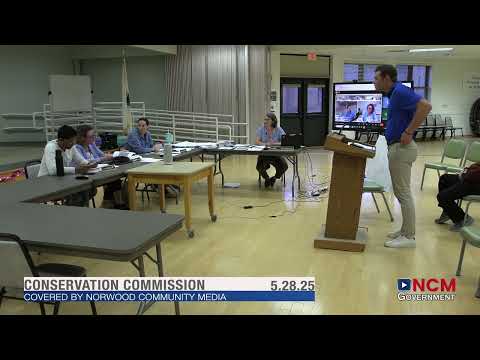
Norwood Airport Manager Mark Raven told the Conservation Commission on May 28 that beaver activity has created a lodge and small dam near the taxiway/runway edge, producing ponded water that could attract waterfowl and increase the risk of bird strikes on aircraft.
Raven and conservation staff described the problem as both an aviation safety concern and a threat to airport infrastructure: water encroaching on the runway safety area could compromise recent capital work and federal grant assurances. Raven noted the airport has experienced bird strikes in the past and said the nearby repaved runway carried a multi‑million‑dollar investment. The Board of Health, Raven said, had declined an emergency certificate for trapping, finding it not a public‑health emergency.
Commission discussion explored nonlethal approaches (installing water‑flow devices to lower ponding, visual repellents or flags to discourage waterfowl), the limits of dam removal (beavers may re‑build dams upstream or downstream), and the availability of contractors experienced in beaver management. Conservation staff reported contacting beaver management firms; some declined immediate work or warned that flow devices may not fully prevent ponding in the marsh setting. Staff recommended learning from the town’s public works work at a nearby culvert site where a water‑flow device had been installed.
The commission did not vote to fund airport remediation. Members said the airport, which the town owns and operates, should explore responses and that the commission could offer technical help and connections — including introductions to experts at larger aviation authorities who had faced similar issues — but that funding the work was not appropriate for the commission’s budget. Several members emphasized that any on‑site work (dam removal, installation of flow devices) in jurisdictional wetlands would require permitting and Commission oversight.
Why it matters: The ponded water is both an aviation safety issue (bird‑strike risk and runway safety area encroachment) and an environmental/wetlands management issue because proposed physical responses affect jurisdictional wetland areas. The discussion clarified agency roles: Board of Health, airport management, the Conservation Commission (for permitting), and soon the Town’s stormwater authority for hydrologic impacts.
Next steps: The airport will pursue contractor options and consult with town departments. Conservation staff offered to connect airport staff to experienced practitioners and to monitor any proposed in‑wetland work that will require permitting.