Get Full Government Meeting Transcripts, Videos, & Alerts Forever!
Get email alerts on the Distance Education topic
No spam. Unsubscribe anytime.
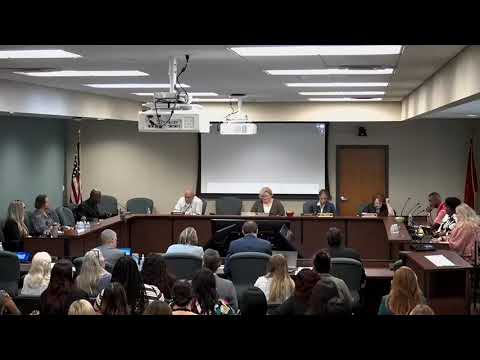
Board hears proposal to allow asynchronous theory instruction; members raise integrity, testing and access concerns
Summary
A consultant and Milady demonstrated a learning platform for asynchronous (distance) theory instruction; some board members praised expanded access while others raised concerns about cheating, AI and testing integrity.
A consultant seeking board guidance on asynchronous distance delivery for cosmetology theory presented a demonstration and a platform overview, prompting a broad discussion about accessibility, exam integrity and regulatory guardrails.
Nikki England, a consultant who said she leads a group that works with campus operators, told the board she is working with a Tennessee school that wants to offer asynchronous theory delivery alongside on-campus practical training. "With the right regulatory guardrails asynchronous delivery for theory education can be just as effective as traditional models," England told board members while describing experience in other states and in other trades.
Corina Santoro, general manager for Milady's CEMA learning platform, demonstrated the platform's learning activities and time-tracking features. Santoro described built-in safeguards: event tracking that logs clicks and keystrokes, session time accounting that records minutes and seconds spent on each activity, auto-logout on inactivity, and features that block simultaneous logins. Santoro said Milady's platform prevents a student from advancing past a video or activity without satisfying the required interaction and that schools can apply a safe-exam browser and password protection for remotely administered tests.
Supporters said asynchronous theory options can increase access for working adults and may help the profession compete with other trades that already offer flexible learning. England said more than 20 states have allowed asynchronous cosmetology coursework and that some accreditors and the U.S. Department of Education permit distance delivery for clock-hour programs when schools meet outcome and attendance safeguards.
Board members expressed concerns. Several asked how testing integrity would be enforced and whether remote testing could be reliably proctored; others warned about AI-enabled cheating and the ease with which third parties could complete online coursework. One board member said she did not foresee supporting asynchronous education because of the risk that students might not gain hands-on competency or that the model could be gamed.
No formal rule change or approval was adopted at the meeting. Board staff told the presenters they would accept a formal application for a hybrid program and that the board would consider specific guardrails—examples included requiring on-campus proctored exams, limiting the percentage of program hours delivered remotely, requiring preapproved vendor platforms, and requiring clear institutional plans for students with disabilities. The board also noted the state's apprenticeship growth and the need to keep pathways and paperwork clear for students choosing apprenticeship versus traditional tracks.
Ending: The board asked the presenters to return with a specific proposal and documentation of platform safeguards if they want a formal hybrid/asynchronous program approved. Staff said schools could present a formal application that would be reviewed against any rules the board sets for remote theory instruction.