Get Full Government Meeting Transcripts, Videos, & Alerts Forever!
Get email alerts on the Compensation topic
No spam. Unsubscribe anytime.
Board hears employee-survey results and signals support for a hybrid compensation approach
Summary
Staff presented results of an employee survey on the compensation-ratio rubric (CRR): the majority favored keeping the CRR or adopting a hybrid that adds performance elements. Board members asked staff to study options and return with hybrid proposals and payroll-impact projections for future budgets.
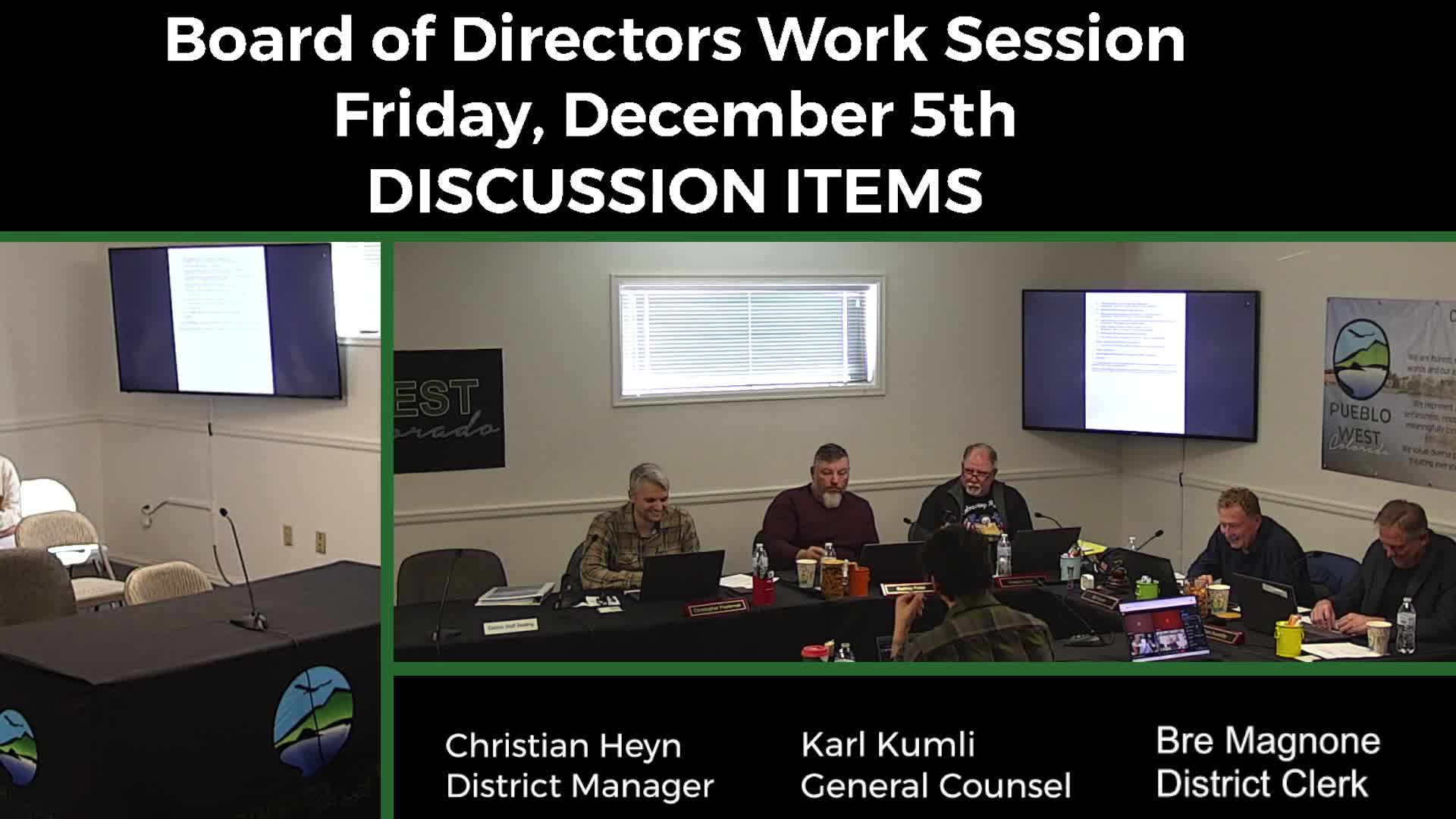
Director Pasternak and senior staff summarized an employee survey and exit-interview analysis Dec. 5 after months of board discussion about the compensation-ratio rubric (CRR) and whether to move to a merit-only pay system. Staff said 109 employees responded to the survey (about an 82% response rate). "64 or 59% said current model compensation ratio rubric; 38 or 35% said new model hybrid," staff reported.
Survey results showed a plurality favoring retention of the CRR and a substantial minority open to a hybrid model that would preserve objective, data-driven elements while adding a qualitative performance component. Staff said concerns included departmental differences in access to training/certifications and perceptions that a pure merit system could harm morale. Exit interviews show involuntary separations rose in 2025 and compensation alone was not the primary driver of departures that year.
Staff recommended a targeted, time-bound evaluation of hybrid options over the next 3–6 months and proposed presenting options for consideration in the 2027 budget process. "We recognize the CRR isn’t perfect, but it has addressed a number of inequities," staff said, urging careful design to avoid introducing new subjectivity while adding performance recognition where appropriate.
Board direction: the board gave staff guidance to proceed with studying hybrid models, focusing first on the 'qualifications' segment of the rubric (where staff found the most concern) and to prepare payroll-impact projections and proposed guardrails for departmental consistency before returning with specific recommendations.
Next steps: staff will continue auditing the CRR data, vet hybrid alternatives that preserve objective elements and add performance-based measures, and produce projected budgetary impacts for multi-year planning.