Get Full Government Meeting Transcripts, Videos, & Alerts Forever!
Get email alerts on the Comprehensive Plan topic
No spam. Unsubscribe anytime.
Brighton consultants report early community outreach: traffic, housing and agriculture top concerns
Summary
Design Workshop and city staff presented results from the first community engagement window for Brighton’s comprehensive plan, citing focus groups, an open house and an online questionnaire; staff highlighted transportation (70% of questionnaire respondents), housing affordability, and preservation of agricultural/open space as recurring themes and announced March workshops on growth scenarios.
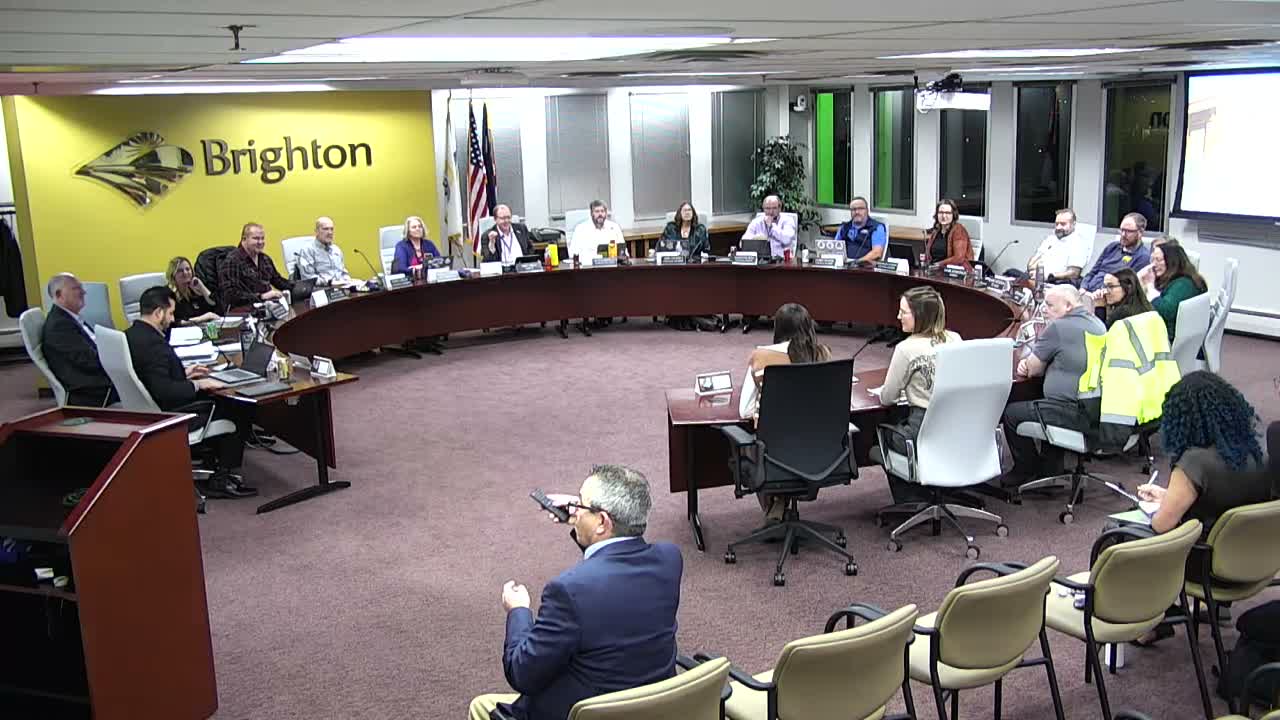
Design Workshop and Brighton city staff summarized findings from the first community engagement window of the city’s comprehensive plan update, telling council and the planning commission that early input focused on traffic congestion, housing affordability, multimodal connections and protecting agricultural land.
Design Workshop principal Jessica Garrow and planner Emily Burrows told the meeting that consultants ran six focus groups (38 participants) covering businesses, water infrastructure, housing and transportation and that an open community questionnaire drew more than 300 responses. “Seventy percent of folks who participated in this questionnaire identified traffic congestion as the number 1 concern on their mind,” Garrow said, calling the response a headline finding that will be tested against a statistically valid survey by Y2 Analytics.
The consultant team described recurring themes from focus groups and the open house: support for ‘smart, managed growth’ that coordinates with Weld and Adams counties; interest in missing‑middle housing forms (ADUs, townhomes and denser housing in targeted areas); long‑term water planning and infrastructure resiliency; and a strong desire to protect farmland and the South Platte River corridor. Emily Burrows summarized the focus groups’ priorities: expand housing options while maintaining community character, improve East–West mobility and prioritize parks, trails and open space.
Elected officials pressed consultants on outreach representativeness and next steps. Several council members asked how staff would reach younger residents and families; consultants said Y2 Analytics’ statistically valid survey is intended to ensure appropriate demographic representation and that the team will run pop‑up events and school‑based outreach in engagement window 2. Staff flagged March 9 as the date for growth‑scenario workshops (daytime sessions plus an evening open house) and said an online questionnaire will remain available for those who cannot attend in person.
Council discussion emphasized tradeoffs in drafting the plan’s vision and policies. Members debated how to define “small‑town feel” in a community approaching 45,000 residents and how to weigh pacing growth against affordability: some members warned that tight controls on growth can raise costs and limit housing supply, while others urged protecting downtown character and agricultural heritage.
Consultants said the engagement findings are roughly 90% complete and will inform alternative growth scenarios to be shared in March, followed by two additional engagement windows and a fall plan share before adoption. The project team emphasized it will compare open‑questionnaire results with the statistically valid survey to refine priorities and target follow‑up outreach.
The council and commission thanked staff and the consultants for the outreach work and indicated they expect more detailed, demographic‑weighted results when the Y2 Analytics report is available.