Get Full Government Meeting Transcripts, Videos, & Alerts Forever!
Get email alerts on the Finance topic
No spam. Unsubscribe anytime.
Naperville 203 finance chief warns of high health claims; district to liquidate investments for liquidity
Summary
The district's chief school business official reported recent unusually large health insurance claims—one bill in excess of $4 million—and said reimbursements from the reinsurer are delayed, creating liquidity pressure. Administration said it will liquidate some long‑term investments for immediate cash and brief the Board after consulting advisers.
Naperville Community Unit School District 203 officials told the Board on Jan. 20 that the district’s health insurance fund has experienced unusually large claims in recent months, producing near‑term liquidity pressure.
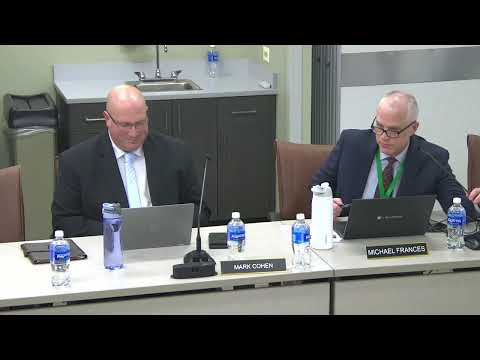
Chief School Business Official Mike Francis said the district received a bill “in excess of $4,000,000” and has not yet been fully reimbursed by its reinsurer, creating strain on the fund’s liquidity. He said the district will act quickly to liquidate some long‑term investments to meet obligations. Francis also said the district’s stop‑loss insurance switched to Blue Cross effective Jan. 1, which should improve timing and netting of claims reimbursements going forward.
Board members asked for a ballpark estimate of outstanding reimbursements; Francis said the amount is more than a couple hundred thousand dollars but “not millions” currently outstanding. The Board asked administration to consult the district’s investment advisers (PTMA) and update trustees; administrators said long‑term investment strategy conversations with advisers are scheduled for March/April and that short‑term liquidity actions will occur before the next Board meeting if necessary.
The Board discussed timing, governance boundaries for operational investments, and the option to convene the insurance committee and advisers to consider structural changes if the pattern of large claims persists.