Get Full Government Meeting Transcripts, Videos, & Alerts Forever!
Get email alerts on the Municipal Revenue topic
No spam. Unsubscribe anytime.
City staff lays out revenue options — vacant-property fees, TOT, franchise fees and strategic reserve use — to help close $8M gap
Summary
Staff presented a menu of tax, fee and reserve strategies to address a roughly $8 million budget deficit, including vacant-property registration and fees, possible increases to the transient-occupancy tax, franchise-fee escalation, sales-tax ballot options and targeted use of reserves for predevelopment of city-owned sites.
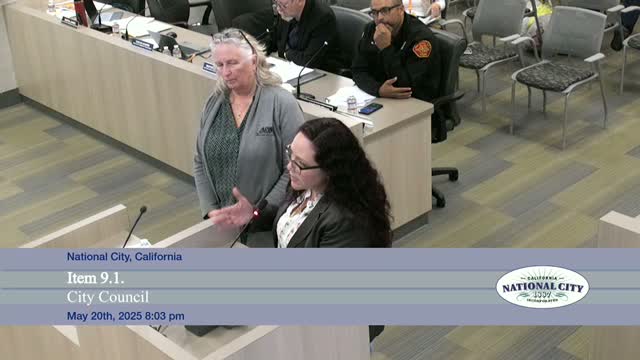
City staff on Tuesday presented a preliminary review of options to increase revenue and use reserves strategically in order to help close a projected $8 million budget deficit. The staff report summarized near- and longer-term possibilities and sought council direction to pursue analyses and outreach.
Director of Community Development Carlos Curiel reviewed several approaches: (1) a vacant or abandoned-property registration and fee program (staff noted current vacant-structure fees are low — $60 — and proposed options include registration plus scaled annual fees or full cost recovery for code enforcement); (2) sales-tax increases via electoral measures (noting county caps and the political difficulty of such measures); (3) raising the city’s transient-occupancy tax (TOT) rate — staff estimated moving from 10% to 12% could raise roughly $400,000 annually on existing hotel stock and would generate more with new hotels that are proposed in the city; (4) franchise-fee negotiations and escalation clauses for utilities and refuse contractors; and (5) use of an economic contingency portion of reserves to fund predevelopment costs on city-owned property to make projects shovel-ready and attract private financing.
Curiel and staff stressed that some measures (for example, sales-tax increases and some franchise-fee changes) require voter approval or extended negotiation, while a vacancy-registration/fee program could be enacted by ordinance and phased to balance cost-recovery with incentives to develop lots. The staff presentation included examples from other cities (Escondido’s vacant-property fee structure and Oakland’s higher residential vacant-building fees) and an example TransNet adjustment to move $1.2 million to a protected-left-turn project (a separate agenda item the council adopted at the meeting).
Council members debated which items to prioritize. Several members urged immediate study of TOT adjustments given pending hotel projects; others urged caution on sales-tax increases and recommended focused measures (business-license reform by gross receipts, exploring franchise-fee escalators, and examining rental and facility-fee opportunities). Some council members asked staff to prepare comparative research, feasibility studies and implementation steps, and to form staff work-groups with council liaisons to move options forward. Edward Neto, a public commenter, urged a probabilistic analysis of how quickly measures could produce revenue.
Staff will return with follow-up analyses and suggested implementation timelines for council consideration. No ordinance or ballot measure was adopted at the meeting; council direction was limited to research and next-step analysis.