Get Full Government Meeting Transcripts, Videos, & Alerts Forever!
Get email alerts on the Homelessness topic
No spam. Unsubscribe anytime.
Residents urge alternatives to encampment sweeps, raise downtown safety and public‑health concerns
Summary
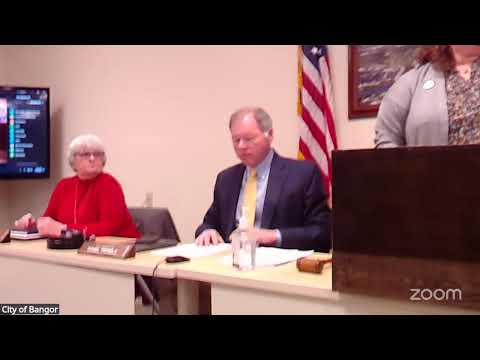
At the Feb. 24 Bangor City Council meeting, multiple residents urged the council to avoid encampment sweeps and invest in housing and health services, while downtown business owners and public‑health advocates described rising public‑safety and infectious‑disease concerns.
Dozens of residents who spoke during public comment at the Bangor City Council meeting on Feb. 24 pressed elected officials to pursue housing and health‑centered responses to homelessness rather than clear encampments.
The most sustained public comment focused on an imminent sweep of Camp Hope and city plans to relocate people living in encampments. Jay, a community advocate who said he had shared materials with councilors, urged the council to seek alternatives, saying encampment sweeps “have tremendously negative health effects and are far more costly to our communities than finding permanent solutions for people.”
Several commenters tied homelessness to broader public‑health and public‑safety problems downtown. James Gallagher, a downtown business owner, described a recent incident in which “a customer came into Salty Brick Market wielding a machete at least 14 inches in length” and said he had struggled for months to arrange coordinated meetings between business owners, police and city officials about loitering, theft and public intoxication.
Mike Burrow, a resident, told the council he believes infectious‑disease rates have worsened locally, saying he had found a “550 percent increase” in HIV/AIDS cases in Bangor during his review of public data; he also cited rises in chlamydia, syphilis and gonorrhea. Councilors and staff did not present a separate public‑health briefing during the meeting; the figures were offered by a commenter and not certified by city officials at the session.
Speakers also questioned past uses of federal emergency funds. Colleen O’Neil and others criticized how American Rescue Plan Act (ARPA) money was spent, saying they saw little accountability in grants to NGOs and arguing more funds should support local businesses and employment programs. Doug Dunbar and other speakers framed substance use as a behavioral‑health crisis, not solely a criminal‑justice issue, and urged the city to allocate opioid settlement and other funds toward treatment and supportive services. Dunbar noted that combined local and county opioid settlement allocations total about $3 million and urged transparent, public decision making about how those dollars will be used.
Social‑service providers and outreach workers urged the council to coordinate service providers earlier. Luke Sekara, a social worker who said he has been visiting Camp Hope twice weekly, said the city had set and re‑set enforcement dates and that service providers were being asked to retrofit responses to those timelines instead of planning together in advance.
Speakers recommended permanent supportive housing, expanded outreach and harm‑reduction services over sweeps. Several cited studies and examples — including national and regional analyses and local nonprofit experience — suggesting that investing in housing and services lowers long‑term public costs and improves health outcomes.
Council members did not take a new vote on encampment policy during the meeting. Several councilors and staff acknowledged ongoing work by public‑health and housing partners and said follow‑up discussions would continue at the committee level.
The meeting’s public comments underscored a central tension for the council: business owners and some residents demanded swifter enforcement and more street safety, while service providers, outreach workers and unhoused residents emphasized the health and logistical harms of sweeps and urged investments in housing and treatment.