Get Full Government Meeting Transcripts, Videos, & Alerts Forever!
Get email alerts on the Zoning topic
No spam. Unsubscribe anytime.
Subcommittee advances 'Efficient Zonings Act' to clarify administrative zoning decisions
Summary
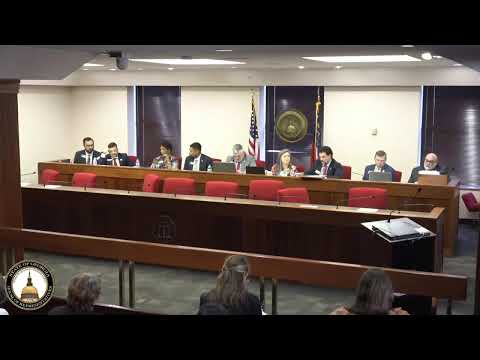
The Governmental Affairs subcommittee voted to pass House Bill 318, the so‑called Efficient Zonings Act, which clarifies when special‑use permits and other administrative land‑use items may be handled by zoning officials rather than quasi‑judicial bodies and seeks to reduce litigation and procedural confusion.
Representative Matt Reeves presented House Bill 318, describing it as a return to the House version of last year’s zoning legislation with clarifications and technical improvements developed by a panel of zoning lawyers. “This bill does two things,” Reeves said: “Number one, it clarifies procedures about how you appeal a zoning decision. Number two, it allows an application for certain special use permits that are not zoning decisions as defined by Georgia law to be heard administratively by a zoning official rather than by a quasi‑judicial body.”
Former state Representative Andy Welch, who helped draft the revisions, told the committee as a practicing zoning attorney that the changes seek to reduce expensive litigation and administrative confusion. “By clarifying the law, it then protects the taxpayers from unnecessary lawsuits that are brought to try to sort out what was meant,” Welch said, adding that the revisions aim to preserve notice and hearing requirements for typical rezonings while streamlining smaller administrative actions.
The committee heard no public opposition during the subcommittee hearing. Representative Reeves noted that local government associations had been informed of the revisions and that the bill reflects input from practitioners on both sides of land‑use issues.
The subcommittee approved a motion to send HB 318 forward; members voted voice‑aye and the chair announced the motion carried. The bill is scheduled for consideration in full committee.
Votes at a glance: Subcommittee motion to “do pass” carried by voice vote; no roll‑call tally recorded.