Get Full Government Meeting Transcripts, Videos, & Alerts Forever!
Get email alerts on the Public Health Lead topic
No spam. Unsubscribe anytime.
State’s 'Get Ahead of Lead' program outlines faucet-filter rollout in Inkster
Summary
Michigan Department of Health and Human Services officials described the statewide 'Get Ahead of Lead' strategy and detailed how Inkster residents qualify for the faucet-filter program, the application and home-assessment process, and who to contact for help.
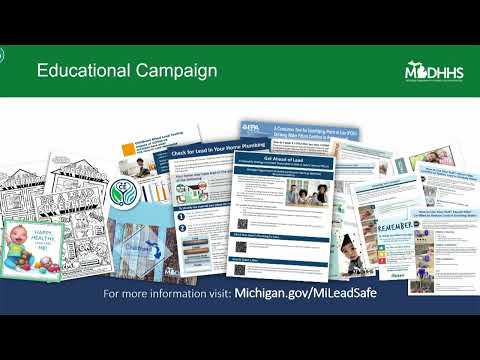
MADISON WHITAKER, a Michigan Department of Health and Human Services community engagement coordinator, and Don Nowicki, the state’s Get Ahead of Lead consultant, told the Inkster City Council on Aug. 4 that the statewide strategy pairs education with targeted distribution of certified lead-reducing filters.
MDHHS officials said the program’s statewide recommendations direct households with lead or galvanized plumbing, suspected lead service lines from the street to the home, or faucets and fittings installed before 2014 to use certified lead-reducing drinking-water filters. “Our statewide recommendation is that Michigan households use a certified lead reducing drinking water filter,” Nowicki said.
Alicia Anderson, Inkster’s grant manager, described how the city is operating its faucet-filter safety-net designation. Anderson said the state provided the city a list of residents who may qualify — households with a child under 19 or a pregnant person enrolled in Medicaid — and city engagement specialists have been contacting those residents by email, phone, text and door knock. “We’re about halfway through that list as far as outreach,” Anderson said.
Residents who want filters must complete a one-page lead-service application that includes a homeowner signature; tenants must provide landlord approval. MDHHS verifies Medicaid status and then schedules a home plumbing assessment. Anderson said Home Depot coordinates the faucet replacement and provides water filters and replacement cartridges, and will return to address installation issues if they are the installer’s responsibility.
MDHHS presenters said the Get Ahead of Lead strategy is data-driven, using indicators such as the percentage of children with elevated blood lead levels, age of housing, poverty and Lead and Copper Rule testing results to prioritize communities. The presenters also noted an equity element that considers Medicaid-enrolled children and pregnant people. Nowicki emphasized the prevention-and-response mix in the program and cited CDC guidance that no safe lead level has been identified for young children.
City staff and MDHHS representatives acknowledged a prior statewide stock realignment: when action-level lead exceedances occurred in some places, the state redistributed existing filter stock into the current program, which required coordination with municipalities.
The city and MDHHS left residents with contact options: Alicia Anderson said the planning department accepts completed applications in person and community engagement specialists will schedule follow-ups; Madison Whitaker offered to connect with local community-based organizations for outreach and education.
What’s next: residents who think they qualify can pick up an application at city offices or contact the planning department for assistance. MDHHS and the city will continue quarterly grantee meetings to troubleshoot outreach and implementation.