Get Full Government Meeting Transcripts, Videos, & Alerts Forever!
Get email alerts on the Judiciary topic
No spam. Unsubscribe anytime.
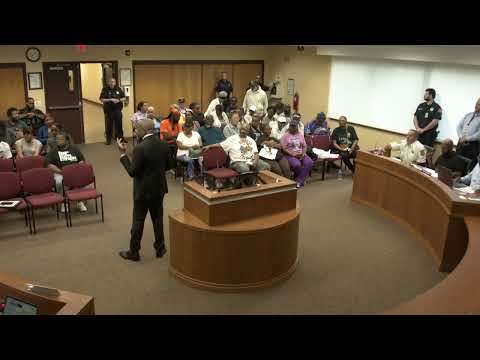
Wayne County judge discusses court workloads, jury service during Inkster appearance
Summary
Judge Bradley Cobb of the Third Judicial Circuit Court told Inkster residents the court handles criminal, civil and family matters across multiple buildings, described jury qualifications and encouraged community participation in outreach and jury service.
Judge Bradley Cobb, of the Third Judicial Circuit Court, told Inkster residents at a city council meeting that the circuit — which serves Wayne County — includes criminal, civil, family and juvenile divisions and handles substantially more cases than neighboring jurisdictions.
"The Third Judicial Circuit Court is a … court," Cobb said, describing the court’s structure and locations, including the Coleman A. Young Building, Lincoln Hall of Justice and the Criminal Justice Center. He said the circuit has 59 judges, roughly 468 employees and various referees and clerks working across the county.
Cobb outlined who is eligible for jury service and how jury panels are assembled, noting basic qualifications such as U.S. citizenship, residency and practical ability to communicate in English. He also explained the court’s civil jurisdiction threshold for circuit court suits and described family- and probate-related functions handled elsewhere.
Why it matters: Wayne County’s circuit court manages a wide range of matters that can affect residents directly — from felony criminal cases and appeals from district courts to domestic relations and child-protection proceedings — and Cobb emphasized outreach so residents understand the system and how to participate.
Residents asked a few follow-up questions about caseloads and why the county’s courts appear busier than neighboring counties. Cobb attributed much of the volume to Wayne County’s size and the number of businesses and residents it serves, and he directed inquiries about individual criminal matters to police or prosecutors when specifics were outside his outreach remit.
The presentation closed with Cobb offering handouts and inviting residents to contact the court about jury service or court programs. He said the court aims to be accessible and responsive to the communities it serves.