
Delaware House passes ban on retail pet store sales of dogs and cats after extended debate
Get AI-powered insights, summaries, and transcripts
Subscribe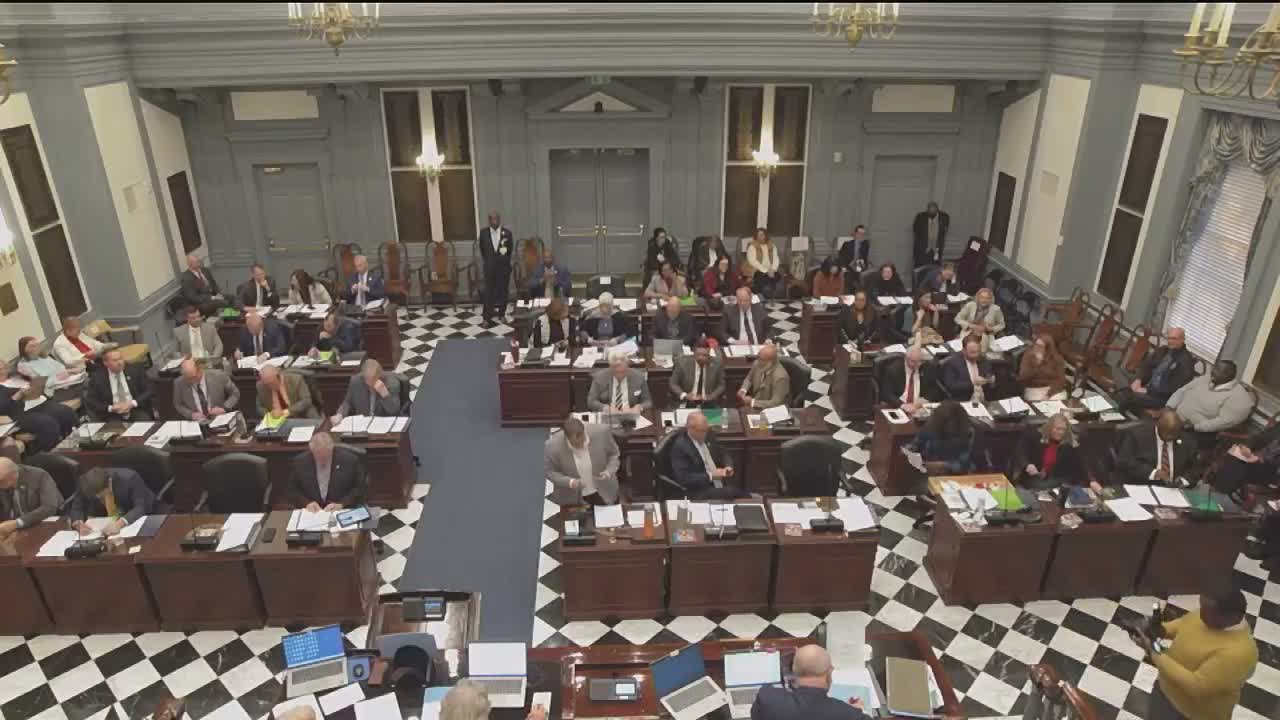
Summary
The House approved HB131 on Jan. 20, 2026, prohibiting retail pet stores from selling dogs and cats. Sponsor Representative Williams said the law aims to reduce demand for animals sourced from commercial breeding operations; critics warned the definition and exemptions may create legal ambiguity for small sellers.
DOVER, Del. — The Delaware House passed House Bill 131 on Tuesday, a measure that prohibits retail pet stores from selling dogs and cats and imposes civil penalties for violations.
Sponsor Representative Williams said the bill aims to "prevent animal cruelty by prohibiting pet stores from selling dogs and cats," modeling the approach on laws in New York and Maryland and citing support from animal‑welfare organizations. "Pet stores are prohibited from selling, leasing, offering to sell ... any cats or dogs," Williams said on the floor.
The bill directs enforcement to the Office of Animal Welfare and sets a civil penalty of $500 for each offer to sell an animal in violation of the chapter; it is set to take effect six months after enactment. Williams said the measure still allows retailers to provide space for rescues and for adopters to meet animals available through shelters.
During floor debate and a witness appearance, Chris Modioschi, director of the Office of Animal Welfare, testified that Delaware currently has "0" USDA‑defined puppy mills but that some retail establishments source animals from brokers with known issues. Modioschi estimated the measure would directly affect "3" for‑profit pet stores in the state. "So this bill is designed to stop the cruelty where it exists ... by drying up the demand for those puppies," Modioschi said.
Representative Collins and others pressed sponsors and the House attorney on statutory definitions in the bill, arguing the language about what constitutes a "retail pet store" could be unclear in court and potentially sweep in small family sellers. House Attorney Karen Lance told members that the definition was not newly created in the bill but moved from existing code language and that the drafter's intent was not to regulate people who sell a single litter from their residence.
Supporters said the bill will reduce demand for animals supplied through commercial breeding networks that have produced animals in poor conditions; opponents warned it could discourage stores from partnering with rescues if compliance burdens rise. The House passed HB131 by roll call (recorded in the transcript as 33 yes, 4 no when not voting, 3 absent). The bill now moves to the Senate for consideration.
Key provisions: enforcement by the Office of Animal Welfare; civil penalty of $500 per prohibited sale; exemptions for animals sold on the premises where they are raised (breeders selling directly on their property) and continued allowance for rescue groups to place adoptable animals in stores for adoption.
Representative Williams told the chamber the bill "fosters the humane treatment of animals" and that several local animal‑welfare groups support the measure.
The House recessed after completing its business and will reconvene the following day.