
NH committee hears extension for Holocaust education commission; amendment to add "open debate" group draws objections
Get AI-powered insights, summaries, and transcripts
Subscribe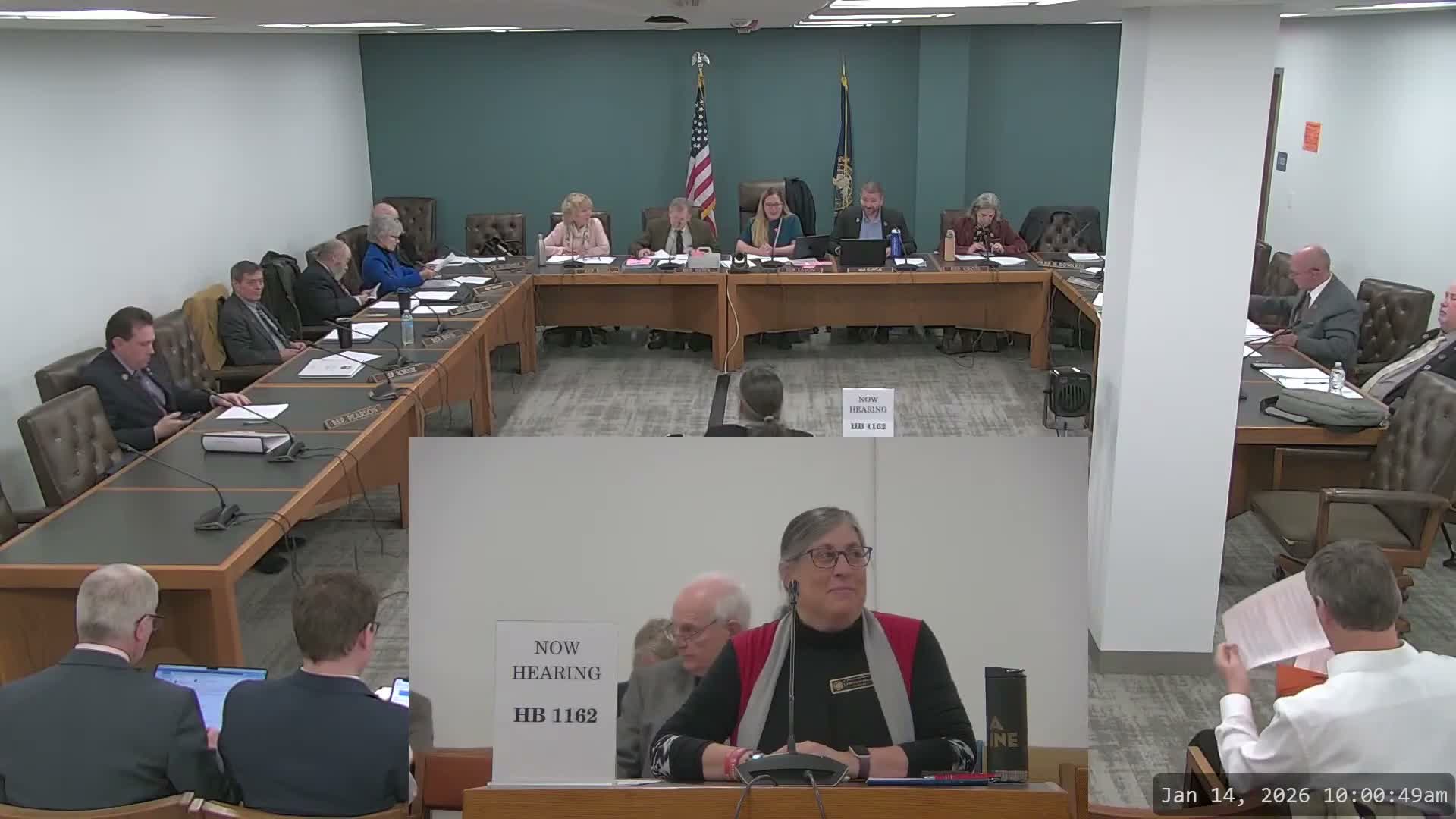
Summary
A House committee heard testimony to extend the New Hampshire Commission on Holocaust and Genocide Education and an amendment to add a representative from the Committee for Open Debate on the Holocaust (CODOH). Witnesses who described CODOH materials as a source of "critical" perspectives clashed with other speakers and some committee members who affirmed the historical record; no vote was taken.
Chairwoman America Leon opened the Jan. 14 hearing on House Bill 11-62, which seeks a three-year extension for the New Hampshire Commission on Holocaust and Genocide Education so the panel can finish developing statewide curriculum materials.
Lauren Selleck, the bill's sponsor, said the commission is "deep in the throes of evaluating what's been done, getting survey results back, and developing new programming," and asked the committee to approve a three-year extension so that work could be completed.
During the same hearing, a speaker identifying himself in the transcript as Matt Sabarin DeChuaniere presented an amendment to add an additional member representing the Bradley Smith Charitable Trust, also called the Committee for Open Debate on the Holocaust (CODOH), and placed several books on the table as materials he said he would submit as written testimony. He told the committee that CODOH "ask[s] tough questions and conduct[s] professional research," and said those resources were relevant to curriculum development.
Multiple witnesses who identified themselves with CODOH or similar organizations described research they said raised questions about aspects of mainstream Holocaust narratives and urged the committee to include contrarian materials for the sake of viewpoint diversity. For example, one witness said he had visited the Dachau site and later became skeptical of certain accounts; another identified as a manager of CODOH said the group has published a large series of handbooks and argued for presenting multiple perspectives in the commission's materials.
Several committee members interrupted or pushed back during those statements. Representative DeRuy said she had visited Holocaust sites and described the experience as deeply affecting, and she criticized testimony that she said questioned or diminished the historical record. Throughout the hearing the chair reminded speakers to limit themselves to questions and factual testimony rather than commentary about commission members' motives.
The hearing record shows no committee vote on the amendment or the underlying bill. Chair Leon closed the hearing after taking all pink cards submitted for HB 11-62 and stated she would check with the clerk about accepting submitted written testimony. The committee did not act on the amendment during this session.
What happens next: The hearing produced substantive but contested testimony on whether and how to broaden materials considered by the commission. The committee did not vote; any future action would depend on staff review, whether the clerk accepts written materials, and whether members choose to bring amendments forward at a later meeting.