
Supporters urge state grants to create inclusive postsecondary programs for students with developmental disabilities
Get AI-powered insights, summaries, and transcripts
Subscribe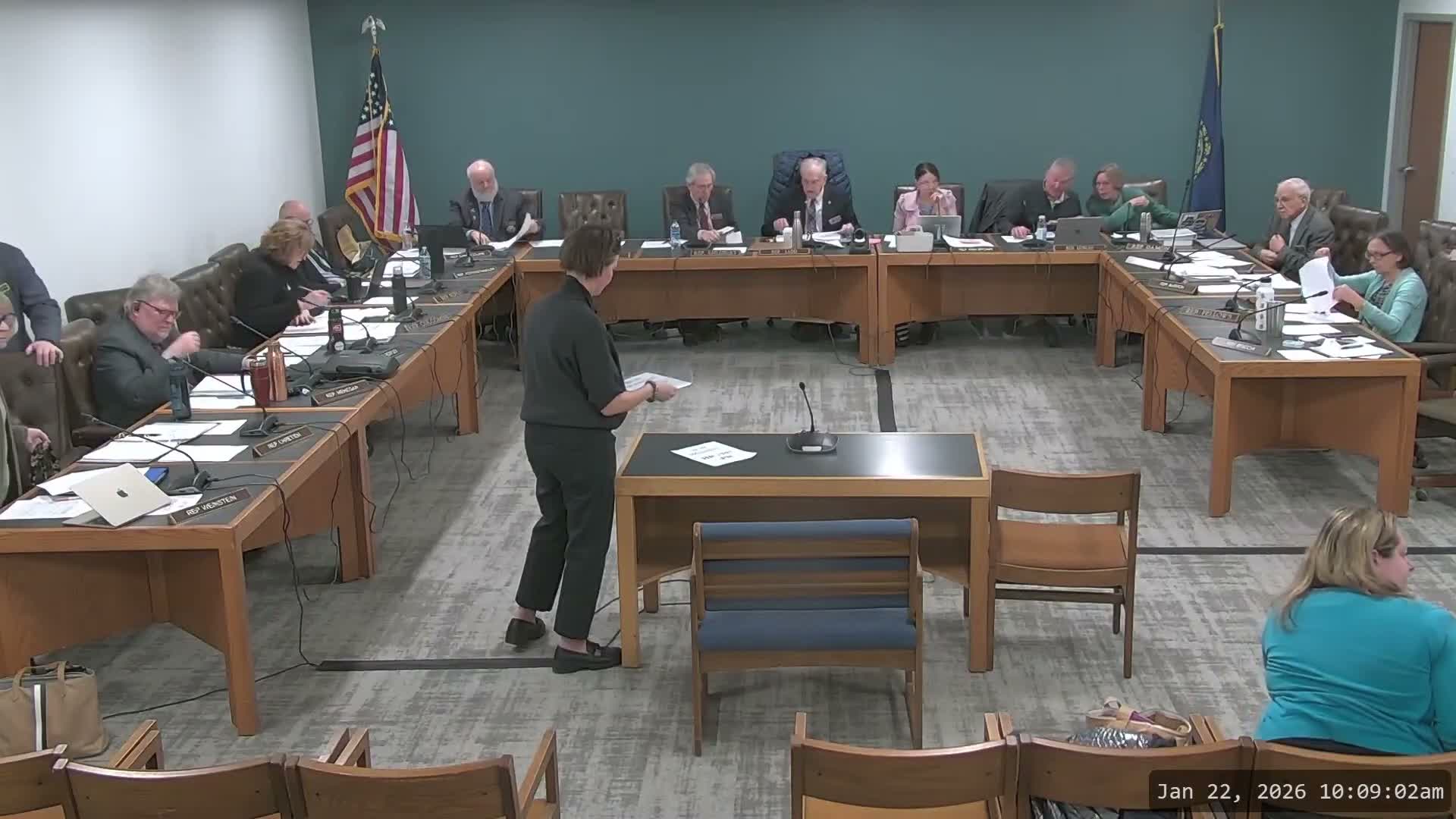
Summary
Advocates, college leaders and families told the committee HB 17-91 would fill a statewide gap by funding inclusive postsecondary education (IPSE) programs so students with developmental disabilities can access higher education in New Hampshire instead of going out of state.
Representative Burton, prime sponsor of HB 17-91, told the committee the bill is motivated by both moral and practical concerns: New Hampshire's aging workforce and the long-term benefits of educating people with developmental disabilities. "The first is moral, the second is practical," Burton said as he introduced the bill to fund postsecondary programs for individuals with developmental disabilities.
Testimony from college leaders and advocates described current capacity gaps and program benefits. Preston Boden (Manchester Community College) said single-counselor staffing currently serves hundreds but that a $100,000 annual appropriation proposed in the bill may not suffice to start programs statewide. Melissa Diodati of the Institute on Disability summarized outcome data cited by advocates: nationally only about 3.2 percent of individuals with intellectual disabilities enroll in college programs, yet inclusive postsecondary education increases employment likelihood and wage outcomes for participants.
Family members and participants gave emotional, first-person accounts of the hurdles in finding in-state programs: Karen Blake described driving to Connecticut for her son's program and urged at least a pilot at a New Hampshire community college so families don't have to send students out of state. Witnesses recommended piloting programs, coordinating with vocational rehabilitation and leveraging federal grant opportunities, and urged the committee to consider multi-year funding to scale successful pilots.
Committee members probed program design, service delivery and financing. Some members suggested piloting at a single community college to test models and budget impacts; others pressed for clearer fiscal details and asked advocates to present sample budgets and outcome data at follow-ups. No formal action was taken at the hearing; the committee requested additional material, budgets and possible pilot models for further consideration.