Committee reports favorably on broad updates to arrest and search‑warrant law after questions on social‑media threats and DUI authority
Loading...
Summary
SB 1284 modernizes Chapter 901 by expanding circumstances for judges to issue arrest warrants and broadening grounds for search warrants; senators asked about juvenile social‑media threats, misdemeanor presence requirements and DUI/BUI warrantless arrest authority.
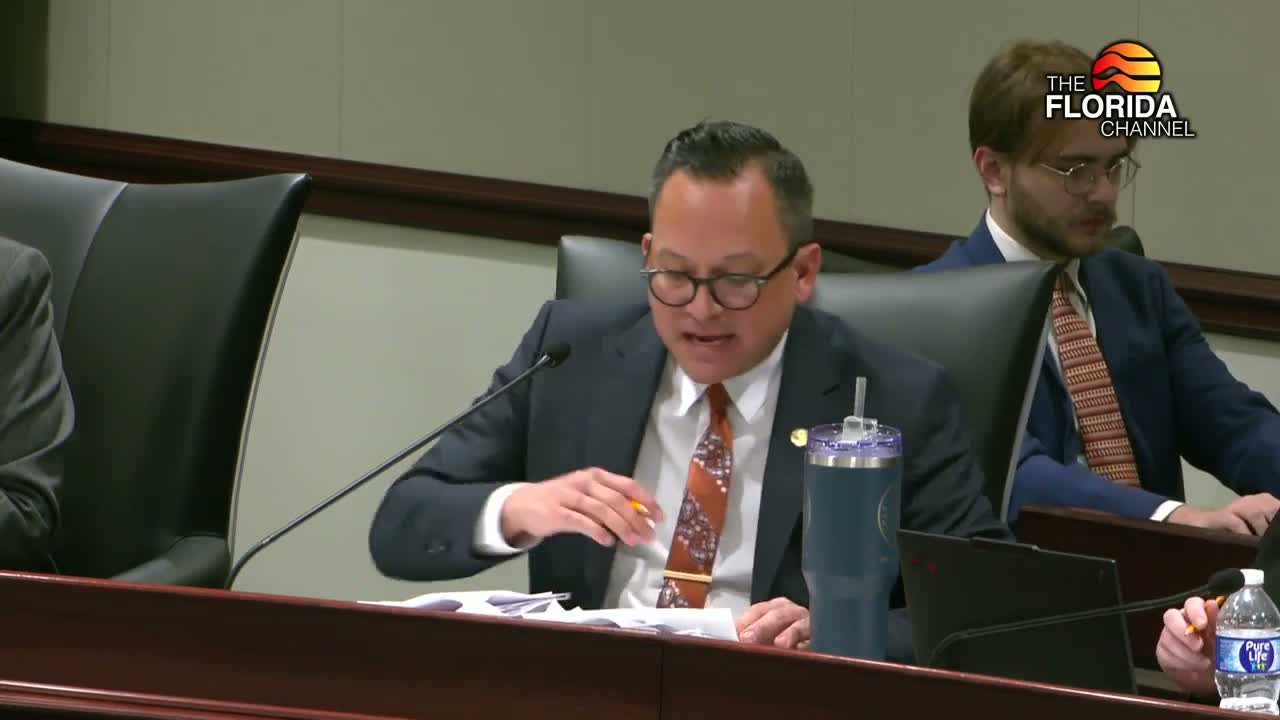
Senator Martin presented SB 1284 to modernize Florida’s arrest and search‑warrant statutes in chapter 901. The bill would authorize judges to issue arrest warrants, summonses or notices of appearance when a complaint alleges only a misdemeanor if the judge reasonably believes the defendant will appear; it expands circumstances where law enforcement may arrest without a warrant (including probable cause for injunction violations or DUI/BUI cases) and broadens grounds for search warrants when blood or other property constitutes evidence of DUI, domestic‑violence violations and misdemeanor crimes involving physical force or threats.
Senator Pizzo raised a series of hypotheticals about social‑media threats by minors and whether the bill’s changes would permit proactive warrants or searches when the misdemeanor in question involves a firearm possession by a juvenile. Sponsor and other senators discussed existing felony provisions for threats and the interplay with juvenile statutes; criminal‑defense representatives asked for further conversation to avoid undermining judicial checks (for example, on DUI/BUI arrests that traditionally required officer presence). Sponsor said he would follow up to ensure courts and law enforcement can investigate dangerous threats and juveniles with firearms without unintended constraints.
Proponents including law‑enforcement and victim‑advocacy groups waved in support. The committee reported SB 1284 favorably.