Get Full Government Meeting Transcripts, Videos, & Alerts Forever!
Get email alerts on the Tax Policy topic
No spam. Unsubscribe anytime.
Rushville official apologizes to county for procedural misstep and warns new state tax formula could strain schools and services
Summary
At the January council meeting, a Rushville city official apologized for bypassing county protocol on a food-and-beverage tax application and urged county officials to consider local options as state changes (referred to as SB1) and replacement formulas may reduce local revenues and prompt service consolidations.
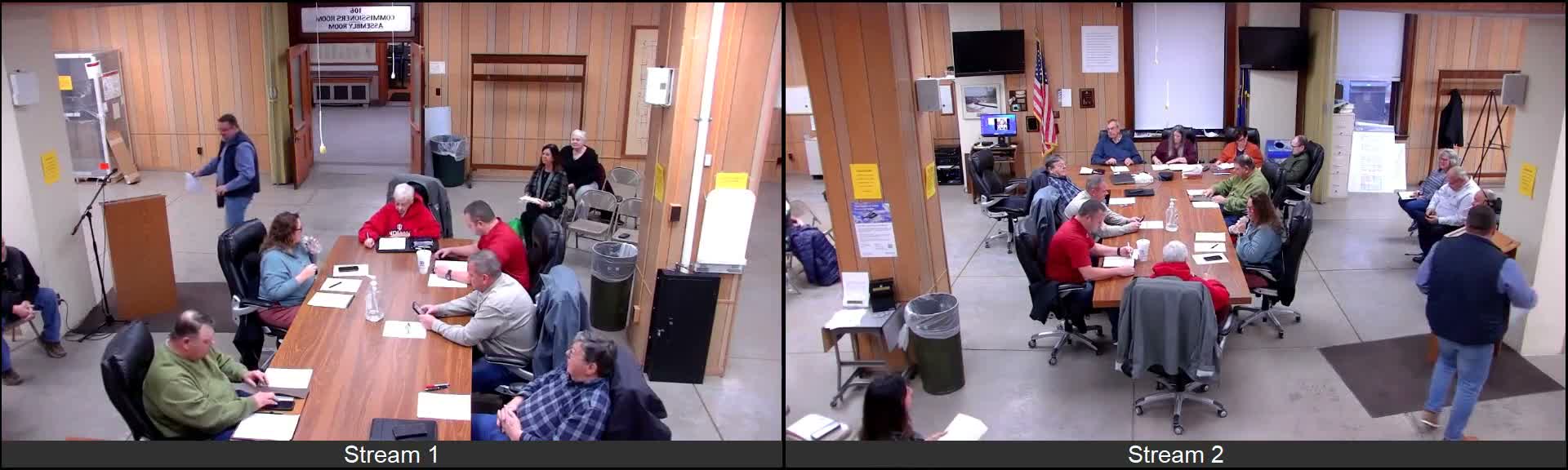
An official from Rushville apologized to Rush County commissioners on the record at the January council meeting for not communicating fully before asking to be included on a state food-and-beverage tax application and warned that recent state tax changes could shrink local revenues and force consolidations.
The speaker, who self-identified as mayor of Rushville, said the prior system of 'circuit breakers' had been replaced by what participants called SB1, a formula the mayor described as difficult to navigate and, in his words, capable of "crippling certain communities." He said the city attempted a different approach this legislative session now that applications are being considered community by community and acknowledged the county felt "offended" when press coverage suggested the city was driving the effort. "For that protocol piece, we apologize," he said, adding that the city still wanted options if the county declines to participate.
Why it matters: Commissioners and municipal leaders are weighing how to respond to state-level changes that affect property and local option tax calculations. The mayor said the city and the local school system are especially vulnerable under the new formula and urged empathy from county leaders as discussions about consolidation of services — townships, volunteer fire departments, emergency management and others — are likely to follow if revenues tighten.
Commissioners pressed the speaker for numbers. The mayor estimated city revenue from a food-and-beverage tax could range from about $50,000 to $300,000 annually and said restaurant owners told him the burden would not be crippling. He cautioned, however, that the revenue would not replace larger funding streams previously available and that some budget lines tied to property taxes (notably support for public safety and schools) could be affected as state formulas change.
Several commissioners and staff urged better intergovernmental communication going forward. County officials noted they had not been given advance notice of the city’s outreach and stressed that citizens typically call the treasurer’s office with tax-bill questions. "We're going to collect it, but people are going to be informed of what it is," a county official said when discussing how the fee would appear on tax statements.
On school funding: Commissioners reported talking with a state consultant (Jason Sinner) who said that operating referendum revenue for the local school would still be directed to the school; the board recorded that outcome to clarify concerns that economic development payments or other arrangements would reduce school funding. The board also discussed potential formulas for allocating economic development payments among schools, public safety, roads and community needs.
The meeting did not produce any binding county decision on the food-and-beverage tax; the mayor said the county's involvement would be optional if the county decided the measure had no value for its jurisdictions. Several commissioners said they want more public education about the new state assessment system before considering policy changes.
The council moved on after the exchange; the mayor’s remarks and the board’s discussion signaled ongoing intergovernmental negotiations rather than a final policy shift.