Get Full Government Meeting Transcripts, Videos, & Alerts Forever!
Get email alerts on the Implementation topic
No spam. Unsubscribe anytime.
Stakeholders pressing equity, collection timing and implementation fixes as Minnesota weighs EV taxes
Summary
Public commenters, utilities and industry urged the working group to prioritize implementable fixes—clarifying tax collection schedules, addressing apartment residents' charging access, and avoiding administrative overburden—while long‑term policy (mileage fees) remains under study.
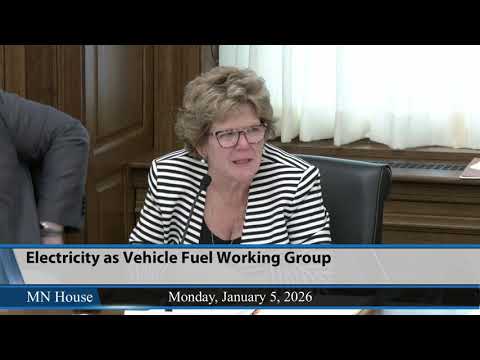
At the Jan. 5 meeting of Minnesota’s Electricity as Vehicle Fuel Working Group, several stakeholders urged the group to prioritize immediate, implementable administrative fixes and equity measures even as it studies larger policy changes.
QuikTrip and other industry participants asked the group to clarify how sales, use and excise taxes on electricity will be collected under current statute, and whether collection schedules could be aligned with utilities (quarterly or semiannual remittance) to reduce administrative burdens. Staff flagged the “time value of money” difference between upfront registration surcharges (collected at renewal) and incremental fuel taxes paid at the pump, cautioning the group to account for collection timing in any revenue projections.
Multiple speakers raised equity concerns for apartment residents and other households without access to home charging. Public commenter Xavier Smead said his father, who charges at night, had difficulty enrolling in a utility time‑of‑use rate with Xcel Energy; members pointed out an open comment period for Xcel’s EV plans and encouraged affected residents to file comments. Several members suggested including recommendations for grants or incentives to support charging deployment in multifamily housing.
Members also discussed how to gauge member preferences on recommended items before the next meeting. Options included anonymous, nonbinding electronic “temperature checks” to speed consensus, but staff cautioned that any formal voting must occur in public and comply with open‑meeting law. The chair asked staff to consult legal counsel on which pre‑meeting tools are permissible.
The working group set a near‑term goal of identifying operational clarifications that could be implemented quickly (for example, statutory language on collection timing) while moving broader choices—such as whether to pilot mileage‑based charges—into the longer term. Staff will circulate a categorized list of recommendations before the Jan. 21 meeting.