Get Full Government Meeting Transcripts, Videos, & Alerts Forever!
Get email alerts on the Business Permits topic
No spam. Unsubscribe anytime.
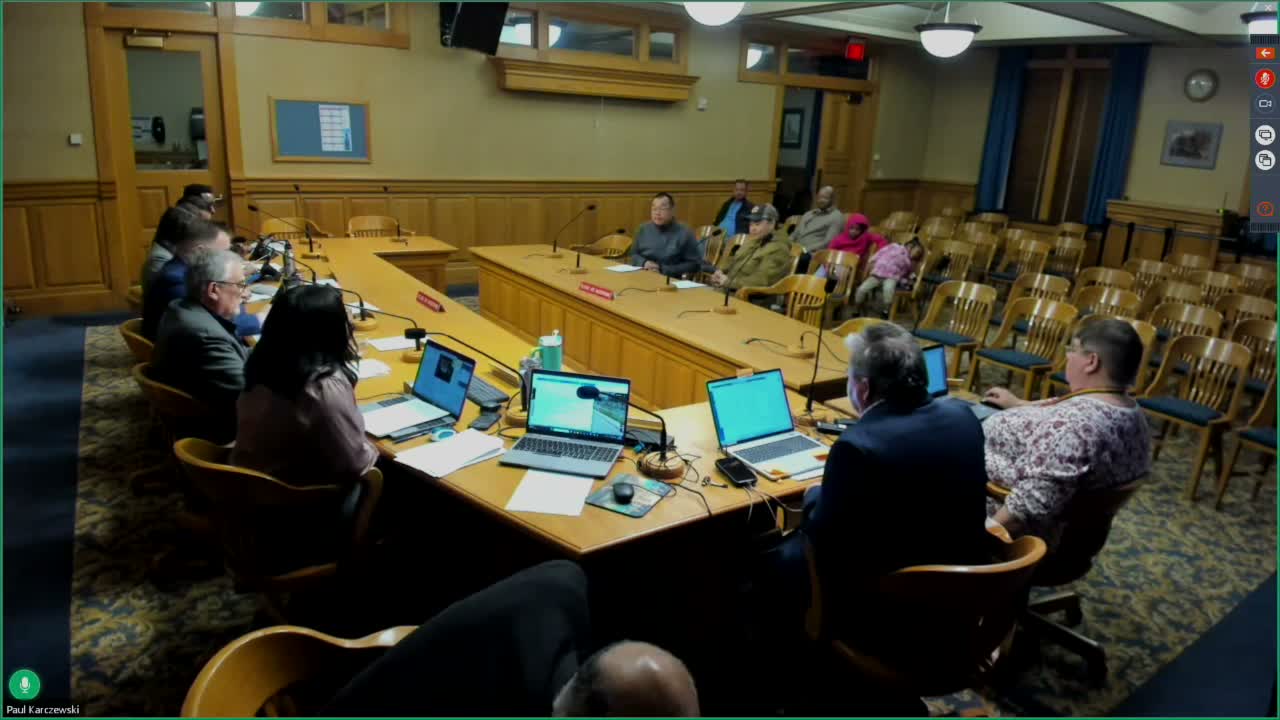
Milwaukee zoning board approves multiple business special uses, imposes time‑limited conditions
Summary
On Jan. 15 the Board of Zoning Appeals approved multiple special uses — including motor vehicle sales, auto repair and car wash operations — with time‑limited approvals and conditions on landscaping, parking and proximity to daycares.
The Milwaukee Board of Zoning Appeals approved a series of business special uses during its Jan. 15 hearing, granting time‑limited permits and conditions intended to address traffic, landscaping and child‑safety concerns.
Highlights from the docket included a 3‑year special‑use approval for a light motor vehicle repair facility at 9438 North 107th Street operated by Corey and Lex Vu; a 2‑year approval for a hand car wash and continued motor‑vehicle sales at 5744 West Good Hope Road (applicant Brandon Bell) with conditions addressing nearby daycare traffic; and consolidated approvals for adjacent motor‑vehicle sales parcels (6315 West Forest Home Avenue and 6214 West Howard Avenue) with five‑year terms and landscaping/maintenance conditions.
City departments supplied standard technical reviews: DPW raised circulation and loading‑zone conditions where driveways and daycares are adjacent; DNS flagged requirements on paved parking and enforcement of vehicle display areas; DCD insisted on landscape plans and screening where vehicle storage or display abuts pedestrian or residential areas. Aldermen from affected districts (notably Alderman Taylor and Alderman Bergales) attended and relayed constituent concerns while generally supporting small businesses when mitigation measures were proposed.
Board members emphasized modest approval periods where tenant mix or nearby childcare operations required closer monitoring. Several approvals included conditions tying landscape installation to construction timing, limits on metallic streamers and requirements that parking remain on paved surfaces.
Outcome: multiple special‑use approvals across the docket, generally for 2–5 years, each with conditions recorded in hearing summaries and subject to standard department enforcement.
Next steps: Applicants must comply with required conditions (landscaping, traffic controls, and plan revisions where requested) and the board office will issue written decisions documenting conditions and timelines.