Broad support at hearing to make Maine affordable‑housing tax credit permanent
Loading...
Summary
Multiple housing developers, community lenders and advocacy groups testified in favor of LD 2116 to remove the sunset on the state affordable housing income tax credit, citing hundreds of units created or preserved and the program’s leverage with federal credits. The administration proposed an alternate extension to 2036 for review; committee requested technical details for a work session.
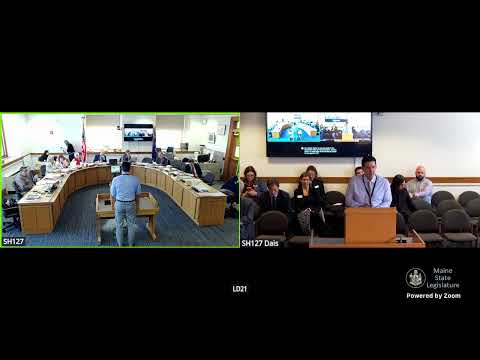
Representative Mabreen Rana told the taxation committee LD 21 16 would remove the program's sunset and bring predictability to projects that routinely take multiple years to finance and build. "Making the credit permanent will allow Maine to continue addressing its housing shortage, particularly for working families, seniors, and rural communities," Rana said.
Maine State Housing Authority senior director Eric Jorgensen described the credit as a "game changer" that, when combined with federal 4% LIHTC, helps finance nearly 60% of project costs and supports multifamily construction and preservation statewide. He and nonprofit developers said the program has produced hundreds of affordable units and allowed rural preservation deals that otherwise would not be financially viable.
Genesis Community Loan Fund, Volunteers of America, Avesta Housing, Community Housing of Maine and dozens of community organizations testified in support, giving examples of completed projects, rural preservation transactions and senior housing. Genesis noted the credit's strong leverage for USDA RD 515 preservation transactions and cited average per‑unit state credit use of roughly $25,000 for certain RD preservation deals — a notably lower per‑unit subsidy than new construction in urban markets.
The governor's office offered neither for‑nor‑against testimony and proposed extending the sunset to 2036 rather than permanently removing it, saying periodic evaluation is standard practice. Committee members asked for technical follow‑up: a comprehensive project list since program inception, breakdowns by new construction vs preservation, carryover and stacking of other credits, and metrics on unit costs and affordability terms.
What's next: committee staff and Maine Housing will provide the requested technical materials for the work session so members can weigh permanence against scheduled evaluation.