Get Full Government Meeting Transcripts, Videos, & Alerts Forever!
Get email alerts on the Speed Enforcement topic
No spam. Unsubscribe anytime.
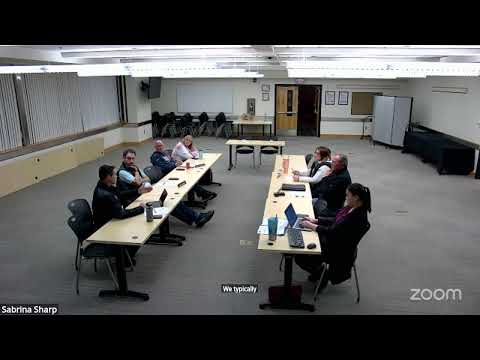
Sherwood board debates mobile speed cameras: vendor capabilities, privacy and deployment timeline
Summary
Board members heard technical and policy details about mobile speed-enforcement cameras (vendor in transcript: 'Vero Mobility'/'VeriMobility'), discussed signage, school-zone scheduling, privacy of license-plate-reader data and procurement/timeline considerations, and agreed to follow up on data-retention protections.
The Sherwood advisory meeting devoted an extended discussion to mobile speed-enforcement cameras after a traffic-safety presentation raised questions about capabilities and privacy safeguards.
Technical capabilities and deployment: A speaker described the vendor equipment's flexibility: cameras can be scheduled by hour to reflect lower school-zone speeds during school hours, are movable and solar-powered, and require advance signage. "It can set by the hour," the speaker said when explaining the system could be adjusted to 20 mph in school hours and return to normal speeds later in the day. The meeting noted vendors typically require 90 days after procurement to deliver and that an initial educational period (warning citations) is common.
Privacy and data storage: Board members raised concerns about data storage and potential third-party access to license-plate-reader (LPR) data. The speaker said data are held on vendor back-office servers and the city accesses the information via the vendor's platform, and agreed to follow up to confirm retention policies and legal safeguards. One member referenced news coverage about third-party uses of LPR data and urged staff to check vendor policies.
Operational limitations and costs: Discussion covered operational limits (single-lane capture limitations and sign-posting at 400 feet), citation processing workload and revenue splits. The transcript records an exchange noting citation revenue is shared among city, county and state and that net city revenue is limited once administrative burdens are considered. Participants emphasized the cameras are intended for behavior change and safety rather than revenue generation.
Next steps: Staff will finalize a proposal, verify data-protection and vendor practices, and return with procurement details; no final procurement decision was recorded in the transcript.