
Prince George's County retreat spotlights zoning fixes and faster permitting to attract desired development
Summary
County officials, planning staff and outside land‑use attorneys at a council retreat urged streamlined, targeted permitting, clearer incentives and stronger interagency coordination to bring restaurants, entertainment, housing and transit‑oriented projects to Prince George's County while preserving community input.
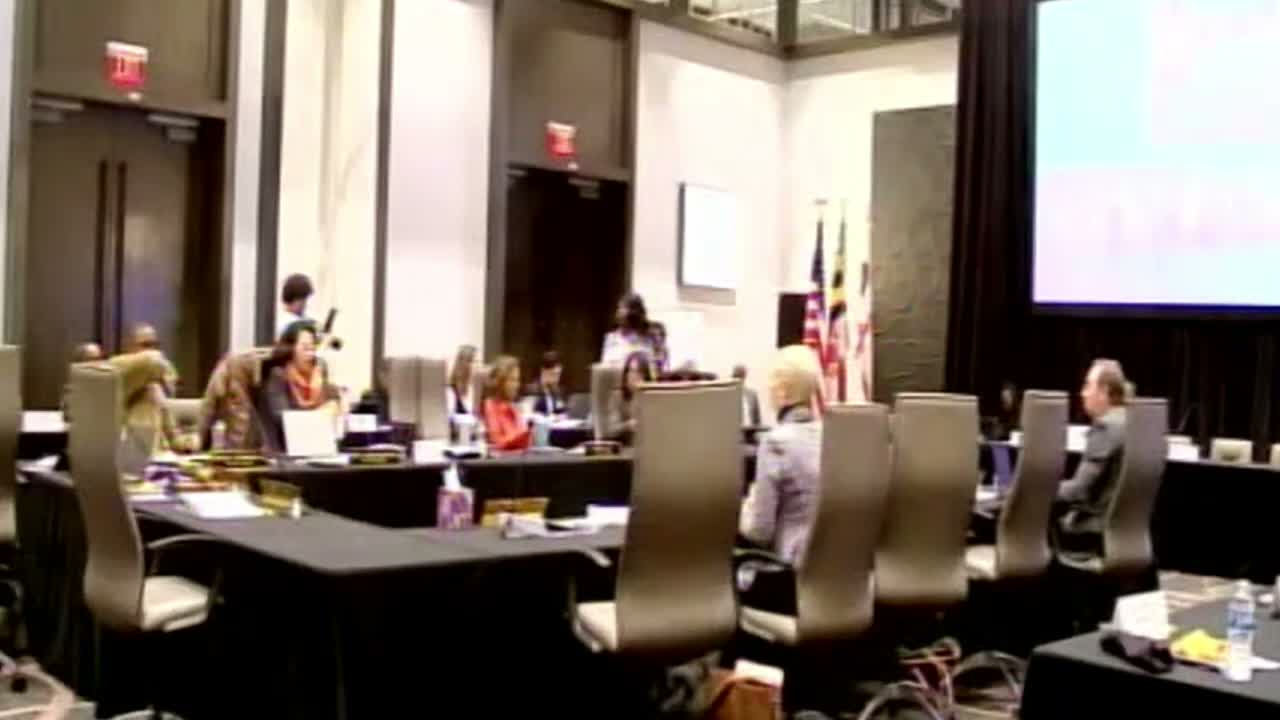
Council Chair Crystal Orietta opened a two‑day county council retreat by saying the council must be “proactive” in aligning zoning, incentives and permitting to attract restaurants, entertainment and other economic development to Prince George’s County. The retreat’s development panel and agency leaders spent the morning outlining specific changes they said would speed projects while protecting neighborhoods.
Planning department leaders and private land‑use practitioners told the council that lengthy and duplicative review steps — ranging across zoning, engineering, stormwater, and utility approvals — are a major drag on projects. “Expedited permitting is an important economic development tool, but it must be targeted,” said Kevin Steven, the county’s deputy chief administrative officer for government infrastructure and technology, noting the county will prioritize speed only where projects conform with adopted master plans and environmental protections.
Panelists recommended several reforms the county could pursue: consolidate or run concurrently the preliminary subdivision plan and the detailed site plan; create a targeted fast‑track queue for priority projects; restore or create mechanisms for variances, waivers or departures where the current code is rigid; and adjust impact fees or use tax increment financing and other tools in targeted districts to close infrastructure funding gaps. Matthew Tedesco, a land‑use attorney, said investors need both “pace and predictability” and that uncertainty in process drives capital away from the county.
Council members and staff repeatedly emphasized that any streamlining must preserve meaningful community engagement. Multiple council members recounted past legislation that removed items from the council’s call‑up process and said that experience diminished trust. Several suggested more focused, shorter master‑plan amendments or “burst plans” around transit stations so zoning and expectation are clear before projects begin.
Operational next steps emerged from the session: the planning department will meet the development community on Feb. 25 in Largo to solicit process feedback; staff said a housing study has been finalized and would be released imminently; and committee chairs scheduled targeted briefings on zoning tools, impact fees and combining plan reviews. The council asked staff to evaluate the roughly 395 entitlements identified by planning staff as approved but not yet started, to determine hold‑ups that might be resolved by incentives or process changes.
The retreat framed the conversation around getting the “right development in the right place at the right time,” balancing developer certainty with community voice. Council leaders said they will pursue legislative and procedural changes this year but stressed they will not trade away public participation to move projects faster.

Create a free account
Unlock AI insights & topic search