Get Full Government Meeting Transcripts, Videos, & Alerts Forever!
Get email alerts on the Kratom Regulation topic
No spam. Unsubscribe anytime.
Springfield committee weighs ban and regulation after expert warns synthetic kratom can mimic opioids
Summary
City officials heard expert testimony that concentrated 7‑hydroxy kratom products carry opioid‑level overdose and addiction risks while public commenters and some advocates urged a regulatory 'consumer protection' approach to preserve safer natural leaf kratom for people using it as harm reduction.
Springfield City Councilor Sean Curran and the Health & Human Services committee on Tuesday heard expert testimony and public comment as the city considers drafting an ordinance to restrict certain kratom products.
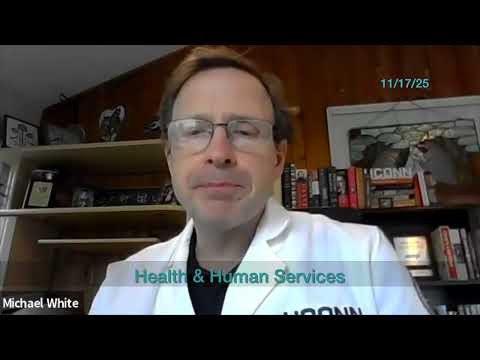
Dr. Timothy White, a clinical pharmacology expert invited to the meeting, told the committee concentrated 7‑hydroxy kratom derivatives (often abbreviated in testimony as “7 0” or “7‑OH”) have the same potential for respiratory depression and addiction seen with prescription opioids. “7 0 is equally as potent as morphine,” Dr. White said, and cited animal studies in which rodents preferred 7‑OH over mitragynine and showed opioid‑like reinforcement.
Why it matters: Local officials said Springfield is losing roughly two people a week to fentanyl and heroin and wanted to know whether new kratom products could add to overdose deaths. Dr. White said reported deaths tied to 7‑OH likely undercount the true toll because toxicology testing historically did not separate 7‑OH from other kratom alkaloids and because many coroners did not test specifically for 7‑OH.
What the committee heard: Dr. White distinguished between whole‑leaf kratom, which he described as having a different risk profile, and manufactured isolates or synthetic analogs such as 7‑OH, mitragynine pseudoendoxyl and products sellers label MGM‑15 or MGM‑16. He recommended banning concentrated synthetic and isolated opioid‑like products while considering regulated access for natural leaf kratom. He described enforcement tools including preregistration of products, independent certificates of analysis, labeling requirements, and a numerical safety threshold — for example, a suggested limit of 7‑OH at under 2 percent of total alkaloids for products eligible to be sold.
Support and concern from the public: John Shenholster, advocacy director for American Veterans for Kratom Safe and a longtime recovery peer‑support advocate, urged regulators to adopt a Kratom Consumer Protection approach rather than an outright ban. “It’s one of the best harm reduction tools out there,” Shenholster said, arguing that properly manufactured, tested leaf kratom can help people move away from injected opioids.
Draft ordinance and next steps: Councilor Curran said the law department had drafted an ordinance that, as written, would ban kratom formulations not supervised by a doctor and that the committee should refine language to distinguish banned concentrated products from regulated leaf products. Commissioner Helen Cortland Harris, director of Springfield Health & Human Services, said she will review the draft with the public health council’s physicians and nurses and bring technical recommendations back to the committee.
No vote was taken. Curran said the committee would continue the conversation and review model regulatory language provided by Dr. White and the city solicitor; he announced the discussion would continue at 7 p.m. in City Council Chambers.
Sources: Testimony and exchanges with Dr. White; public comments from John Shenholster and Maria Perez; committee discussion recorded at the hearing.