Get Full Government Meeting Transcripts, Videos, & Alerts Forever!
Get email alerts on the Tax And Fiscal Policy topic
No spam. Unsubscribe anytime.
Committee removes sunset on $1 civil-case fee that funds pro bono infrastructure
Summary
The committee voted to eliminate the sunset on a $1 civil filing fee that funds legal-aid infrastructure and pro bono services across the state, a program supporters say helps coordinate volunteer attorneys and related training and administration.
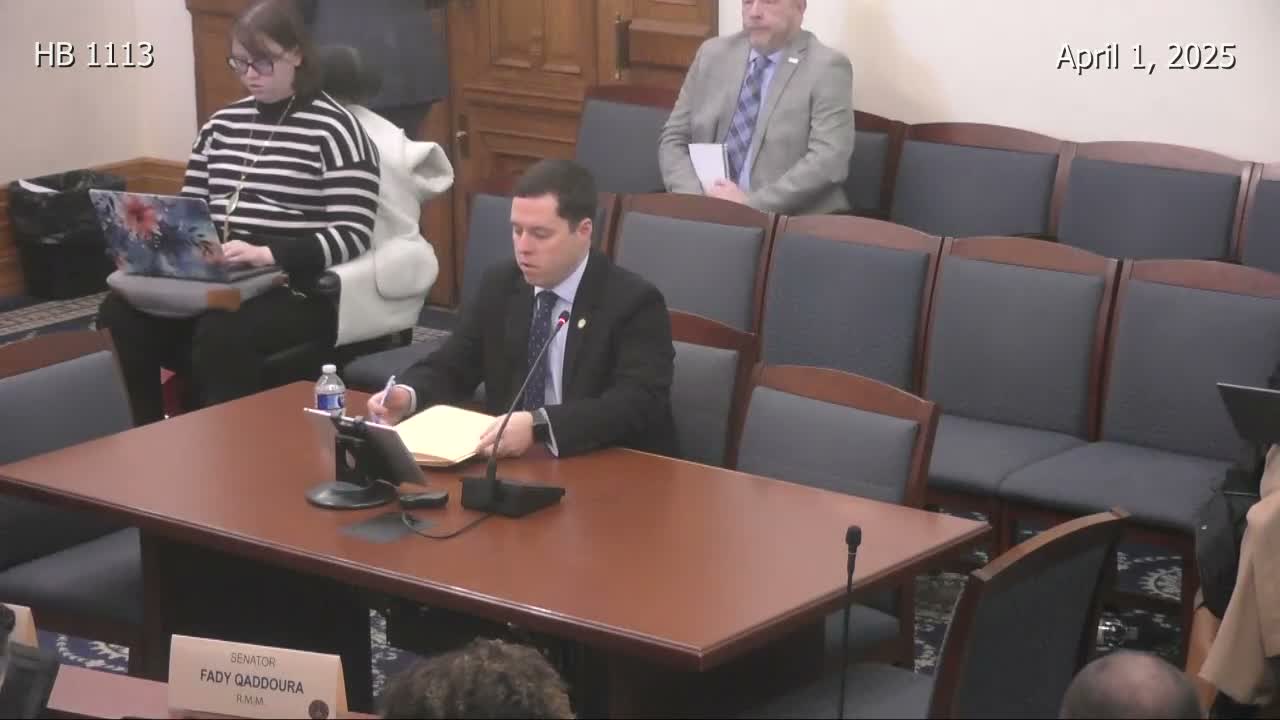
The Tax and Fiscal Policy Committee voted to remove the sunset on an existing $1 filing fee charged in most civil and probate cases; the fee currently funds grants and administrative support for pro bono legal services through the Indiana Bar Foundation. The change would make the fee permanent rather than subject to periodic renewals.
Supporters said the fee does not pay lawyers but instead supports the back-end infrastructure pro bono programs need — training, malpractice insurance subsidies in certain cases and administrative costs. Chuck Dunlap of the Indiana Bar Foundation told the committee the fee generates roughly $360,000 per year and that volunteer attorneys logged nearly 380,000 pro bono hours in 2023. Docs Pop LLC, a court-information services firm based in Richmond, also testified in support.
Vote and next steps
Committee members voted to advance the bill; the roll call recorded unanimous support in committee and the chair announced the bill would move forward. Sponsors said the measure is intended to provide stable funding for pro bono infrastructure and does not change who receives legal services.
Ending
The measure moves to the full chamber for further consideration. Committee members and supporters indicated they expect continued support given the small per-case fee and the program’s existing record of funding pro bono coordination.