Get Full Government Meeting Transcripts, Videos, & Alerts Forever!
Get email alerts on the Alpr topic
No spam. Unsubscribe anytime.
Vendor pitches fixed ALPR system to Junction City; council emphasizes policy first
Summary
Axon presenters described a fixed automatic license‑plate recognition system for Junction City that would monitor key ingress points, alert police to NCIC‑flagged vehicles and permit invite‑only sharing with neighboring agencies. Council signaled it will require an LPR policy before any deployment.
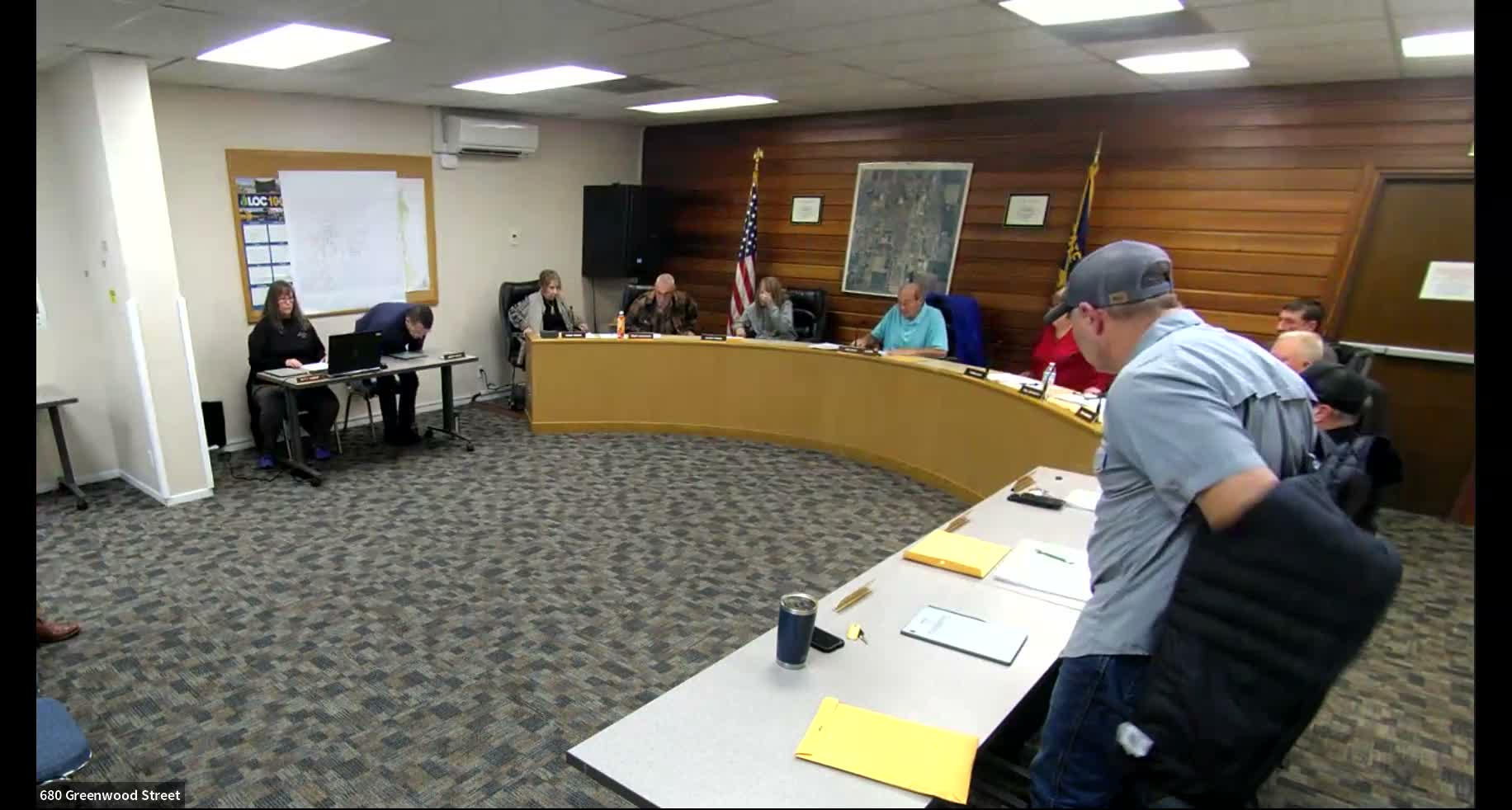
Axon representatives gave the Junction City Council a high‑level demonstration of a fixed automatic license‑plate recognition (ALPR) system on Oct. 28, saying the product would be installed at several ingress and egress points and designed to alert the police department when a vehicle on a national or state hot‑list drives past a camera.
The vendor — identified in the meeting as Axon staff including John and Patrick Newton — described the proposal as a capital purchase that the city would own, not a subscription. “We don't do lease or subscription models,” an Axon representative said, and the company said the proposed agreement would include five years of full support followed by a hardware refresh at contract end. The vendor said the software component (algorithms, firmware) would be updated during the term and that ongoing costs would include LTE and licensing fees; the transcript includes an example figure of $180 per month per camera.
Why it matters: fixed ALPR cameras raise questions about data sharing, retention and oversight. Axon told the council the system’s alerts are triggered by matches to the National Crime Information Center (NCIC) or a state hot list, and that the product does not integrate with DMV records. “This does not integrate to to DMV,” the presenter said, adding that only NCIC or state hot‑list entries would generate automatic alerts. The vendor emphasized that Junction City would control sharing and that sharing to neighboring agencies would be “invite only” with deep user permissions and a full audit trail showing who searched, when and for what case.
Council concerns and next steps: councilors asked about retention, outside‑agency access and verification of alerts. Axon said many agencies use a 30‑day rolling retention for ALPR images and shorter retention for video, but that retention policies are configurable to the city’s preference. Several councilors said they want a formal, LPR‑specific policy in place before any system is activated; one councilor urged requiring a search warrant for outside agencies to query the system. Staff confirmed they would not initiate deployment without a council‑adopted policy in place.
The presentation was informational; no procurement decision or motion was made at the work session. Staff said they are reviewing a draft policy and will return to council with recommendations and a formal policy proposal before any implementation.