Get Full Government Meeting Transcripts, Videos, & Alerts Forever!
Get email alerts on the Budget Forecast topic
No spam. Unsubscribe anytime.
Sherwood budget committee warns reserves could dip below 20% as revenues slow
Summary
Finance staff told the Dec. 4 budget committee that slower private development and a recently approved police contract reduce the city’s five‑year forecast, bringing the reserve just under the city’s 20% policy; staff said they will pursue schedule fixes and new revenue options.
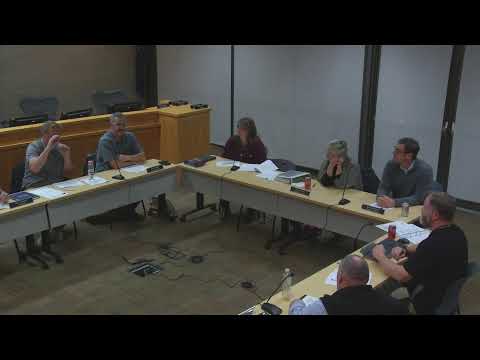
City of Sherwood budget staff told the budget committee on Dec. 4 that the city’s five‑year forecast now dips just below the council’s 20% reserve policy, largely because of slower private development and costs tied to a newly approved police contract. Finance staff said the contract added a minimum of $307,000 to the forecast and that expenditures are outpacing revenues.
David, the city finance staff presenting the update, said private‑development‑related fees have softened and remain the primary revenue bucket of concern. He described charges for services falling relative to prior years and noted photo‑enforcement revenue that once produced more than $2,000,000 in prior years is now expected to be about $1.7–$1.8 million. “Expenditures are going to keep outpacing revenue,” David told the committee.
Staff emphasized the 20% reserve is a working cushion the city uses to manage timing differences (property taxes arrive in late fall) and to commit to asset replacement and deficit spending. The five‑year forecast includes roughly $1.6–$1.8 million in identified asset‑replacement commitments in the near term, and staff said they will continue to move planned capital dollars into the appropriate capital funds rather than allow operations balances to build up.
Committee members asked for clearer presentation of biennial numbers (how the budget book shows the two years of a biennium) and requested that staff distribute corrected slides (finance acknowledged a prior journal‑entry error that affected water fund presentation and will circulate corrected materials). Staff said they are monitoring development receipts closely, will pursue additional revenue buckets where possible, and plan to present audit results and any necessary budget adjustments at a future meeting.
Next steps: staff will circulate corrected financial slides and indicated auditors could be invited to a February committee meeting for a walkthrough of audit findings and accounting adjustments. The committee took no formal budget‑setting action at the Dec. 4 working session.