Get Full Government Meeting Transcripts, Videos, & Alerts Forever!
Get email alerts on the Fund For Healthy Maine topic
No spam. Unsubscribe anytime.
Maine bill would dedicate portion of tobacco excise tax to stabilize Fund for Healthy Maine
Summary
LD 16 58 would create an annual transfer of a portion of tobacco excise tax revenue from the general fund to the Fund for Healthy Maine to shore up prevention programs facing a structural shortfall; public-health groups and clinicians urged the committee to pass the measure.
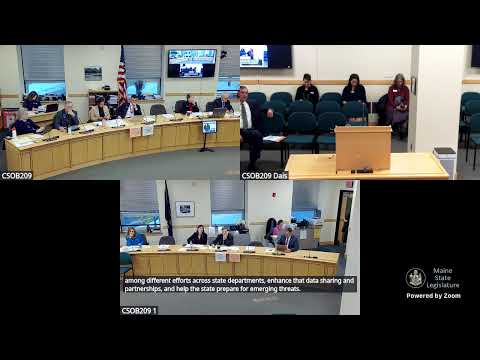
Representative Annie Graham opened the public hearing on LD 16 58 on Jan. 7, presenting the bill as a targeted, ongoing transfer of a portion of tobacco excise tax revenue from the general fund to the Fund for Healthy Maine to address a looming structural deficit.
"These carryover funds will be exhausted in fiscal year 2027," Graham said, urging the committee to provide a stable revenue stream so the Fund can maintain baseline investments in prevention and public health.
Public-health experts, clinicians and advocacy groups testified in strong support. Carol Kelly, a public-health planning and policy consultant, said LD 16 58 mirrors recommendations from the 2024 Blue Ribbon Commission and proposes a specific percentage of excise-tax revenue be credited annually to the Fund. "LD 16 58 looks ahead to fiscal year 2028 and beyond and proposes a simple and ongoing solution to the root problem," Kelly said.
Becca Bolas, executive director of the Maine Public Health Association, told the committee the bill aligns the purpose of the tax with its use and helps resolve the Fund's structural shortfall, noting MPHA provided a sign-on letter from about 60 members supporting the legislation.
Alex Carter of Maine Equal Justice framed the change as an issue of equity, saying low-income Mainers pay a higher burden from tobacco taxes and would benefit when that revenue is reinvested in prevention and community conditions such as housing and access to care.
Clinical organizations — including representatives of the Maine Medical Association and a combined testimony from the American Heart Association, American Lung Association and American Cancer Society Cancer Action Network — emphasized that tobacco prevention remains the leading cause of preventable death and urged the committee to prioritize sustained funding for evidence-based programs.
Owen Casas of the Maine Vapors Association asked the committee to consider technical differences in taxation across tobacco products and how those differences could affect revenues credited to the Fund. Witnesses and committee staff agreed additional technical information on fund balances and revenue forecasts would be helpful.
Committee members requested an updated analysis of the Fund for Healthy Maine balance; the chair closed the public hearing on LD 16 58 without taking a vote.
The hearing record contains repeated testimony that the bill's mechanism preserves the Fund's existing statutory spending restrictions while providing an ongoing revenue stream. Proponents said the change would create a third, aligned revenue stream for prevention purposes and reduce reliance on one-time transfers.