Lifetime Citizen Portal Access — AI Briefings, Alerts & Unlimited Follows
Budget hearing covers school facility bonds, Medicaid costs from HR 1 and DDD supplementals
Loading...
Summary
The governor proposed $1.5 billion in school‑facility bonds tied to a Prop 123 distribution, new K‑12 base funding and measures to address rising Medicaid acuity tied to federal HR 1; the budget also includes a sizable supplemental request for Division of Developmental Disabilities.
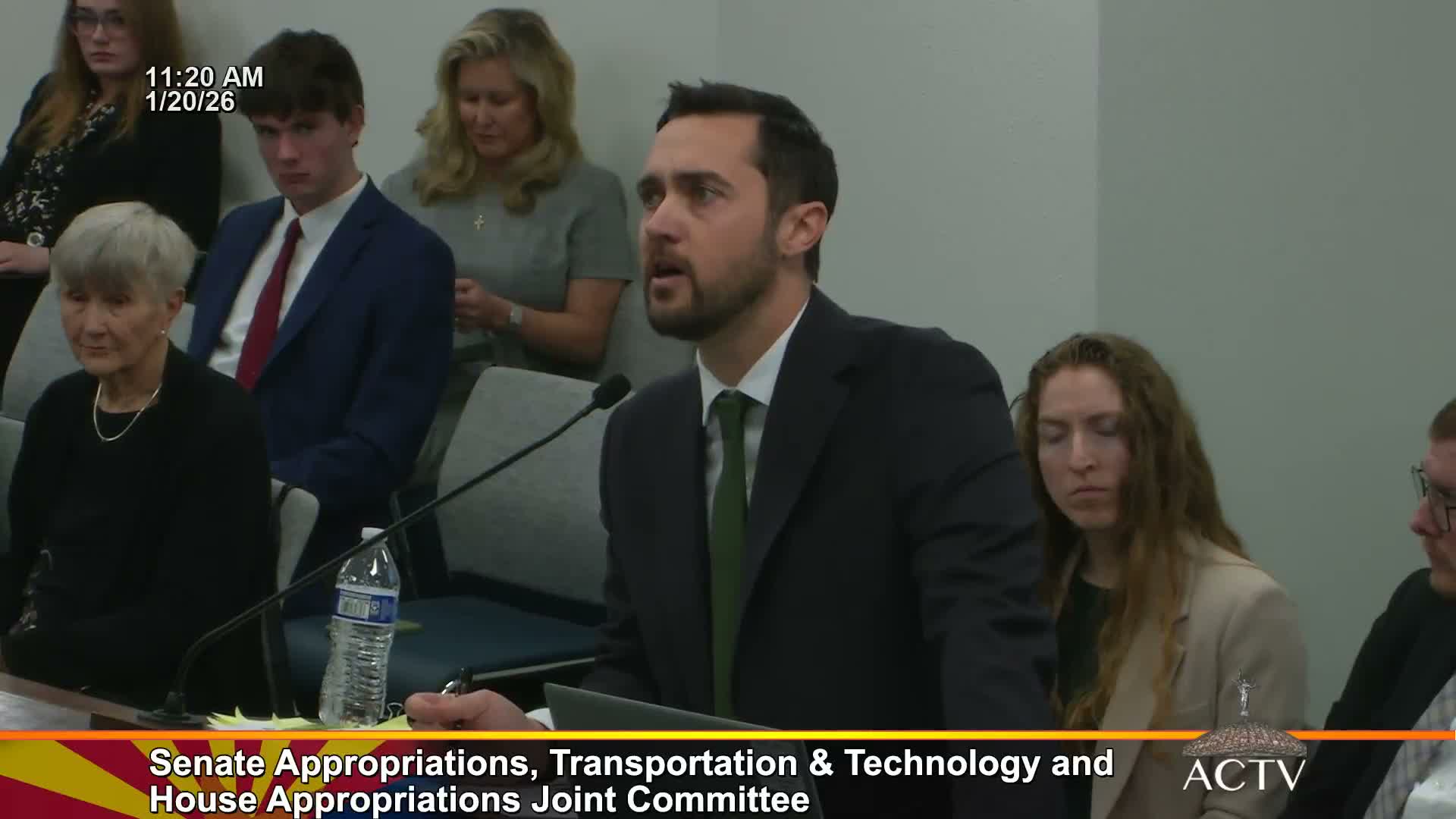
The administration proposed a multi‑part plan for K‑12 school facilities and base funding. Ben Henderson told the committee the governor would "leave that 280,000,000 in the general fund and add additional k 12 funding on top of that," and proposed a $1.5 billion bond issuance over three years to address school facility needs, with Prop 123 distributions used to pay debt service.
Members pressed whether Prop 123 distributions could sustainably cover the debt service and whether bond proceeds would be limited to hard capital. Henderson said the proposal limits expenditures to hard capital and that Prop 123 growth projections support a 6.9% distribution rate.
On health and human services, Henderson said Medicaid rolls declined from about 2.0 million to about 1.6 million after federal unwinding and that acuity has driven significant per‑member cost growth. He described HR 1's effects and said it "does 4 main things to our Medicaid program," including increased work requirements and doubled eligibility redeterminations; the administration warned this could put services and rural hospitals at risk.
Henderson also described the Division of Developmental Disabilities: the governor's budget includes $293.3 million general fund ongoing and a supplemental general‑fund request of about $121.1 million to avoid payment interruptions later in the fiscal year; the administration said, depending on utilization, providers and members could face payment delays starting in quarter 4 without supplemental funds.
Committee members requested written details on the timing and magnitude of supplemental needs and asked the executive and agencies to coordinate on supplemental submissions.