
District credits new attendance policy for drop in chronic absenteeism; board asks for data review
Get AI-powered insights, summaries, and transcripts
Sign Up Free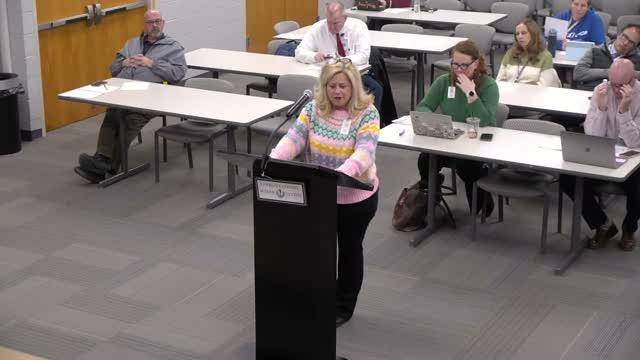
Summary
Administrators told the board the attendance policy and increased family communication reduced petitions and chronic-absence counts; staff reported 17 petitions so far this year and supplied semester figures for chronic absenteeism that the board said it will review further.
District staff told the board that the attendance policy implemented last year has led to increased parent communication, more targeted supports for chronically absent students and a reduction in court petitions.
Miss Cope said the district has seen fewer truancy petitions and reported that the chronic-absence figure for the first semester fell from "430.41" (August–December, prior period) to "207.41" this year; she described the policy's emphasis on chronic-illness documentation, virtual/homebound learning options and school‑based therapists as key supports. "We have decreased our chronic absent numbers by 2223%," she said in the meeting transcript, a percentage the board did not corroborate during discussion.
Board members asked whether the policy led parents to send sick children to school and whether teacher absences spiked; administrators replied they have not observed a problematic increase in staff absences and that students who are febrile are taken directly to the office and isolated from classmates.
Attendance staff noted that petitions this year (17) reflect repeated outreach and attendance-contract attempts rather than single unverified incidents. Administrators said they will bring principals together at the end of the year to review the policy and suggest tweaks based on frontline experience.
The board requested follow-up data and acknowledged the policy's positive effects while flagging the need to verify numeric claims and percentages reported in the meeting.