Get Full Government Meeting Transcripts, Videos, & Alerts Forever!
Get email alerts on the Rebuild Policy Fee Waivers topic
No spam. Unsubscribe anytime.
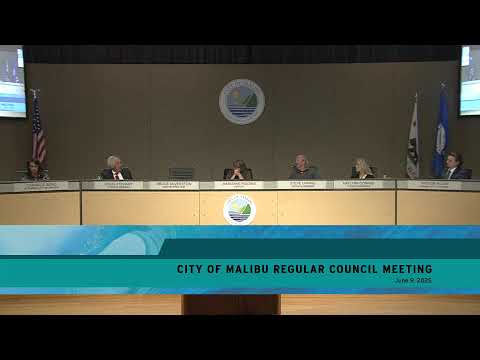
Council directs staff to refine wildfire fee-waiver plan; debate centers on LLC eligibility and timelines
Summary
Council directed staff to return with a revised fee-waiver resolution for Franklin/Palisades fire rebuilds that shortens milestone windows (staff to propose ~3/5 years), clarifies verification for owner‑occupied properties held by LLCs, and suggests proportional treatment for duplexes/ multifamily owner‑occupancy.
City staff presented a proposed fee‑waiver program for properties damaged in the Franklin and Palisades fires, modeled in part on the earlier Woolsey program. The original staff draft included broad eligibility, timelines through 2031 and permit issuance dates to 12/30/2033. Council directed staff to return with a revised resolution addressing several council concerns: a shortened milestone schedule (members suggested a three‑year planning approval window and five years to obtain building permits rather than the longer windows in the draft), clearer verification rules for owner‑occupied properties held in limited‑liability companies, and a pragmatic approach to multifamily and duplex properties.
Public commenters urged inclusion of owner‑occupied homes held in LLCs, arguing many Malibu residents hold title in LLCs for privacy or estate planning. Staff said the city previously accepted limited LLC situations in the Woolsey program when staff could verify residency through driver's license or voter registration; the assistant planning director said nine Woolsey applicants with LLC title were processed after verification. Councilmembers expressed concern about investor-owned properties receiving waivers and asked staff to develop verification protocols that balance privacy and fraud risk. Staff proposed steps for verification such as cross-checking Secretary of State LLC filings, driver's license or voter registration at the property address, certified operating agreements where needed, and a requirement that fee waivers be reimbursed if ownership transfers before a certificate of final occupancy is issued.
On multifamily buildings, staff and council discussed proportionate waiver approaches: for duplexes or small multi‑unit properties, a proportional waiver based on the number of units that are owner‑occupied was proposed (for example, a duplex where one unit is owner‑occupied could receive a 50% waiver). Council also agreed pools, temporary water tanks and like‑for‑like items tied directly to the residential rebuild should be considered for waiver when they serve fire‑mitigation or like‑for‑like reconstruction objectives.
Next steps: staff will prepare a revised resolution reflecting council direction on shortened time horizons, LLC verification steps and proportional treatment for multi‑unit owner-occupancy, and will post the updated draft for public review.