Get Full Government Meeting Transcripts, Videos, & Alerts Forever!
Get email alerts on the Public Safety Tow Yard topic
No spam. Unsubscribe anytime.
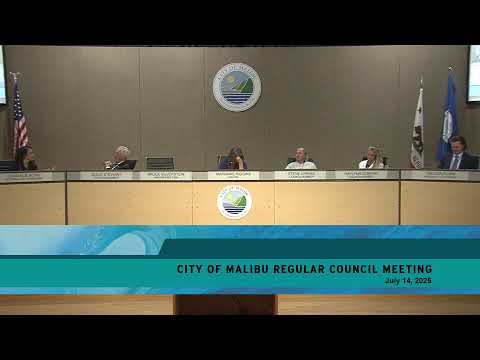
Council directs staff to explore Aoki lot for temporary tow yard as stopgap for long tow response times
Summary
Council asked staff to study using the Aoki lot as a temporary impound site to reduce long tow response times and free deputies for patrols. The direction requires staff to assess zoning, coastal and environmental implications; the vote to explore the site passed with four yeas and one abstention.
Malibu City Council on July 14 directed staff to further explore siting a temporary tow/impound yard on the Aoki parcel after the Public Safety Commission and staff described local operational challenges and tow‑response times.
Public safety staff and commissioners said long tow arrival times force deputies to wait on scene, reducing patrol capacity and increasing public‑safety risk. Staff reported that since Memorial Day, the impound operations at the temporary high‑school lot processed roughly 150 tows in a summer window and that local availability shortened response time.
Council debated locations, community impacts and procedural steps. Several members said the city should avoid permanently sterilizing potential long‑term public uses (for example, ball fields) by establishing a permanent tow yard on a valuable parcel. Others said the city has examined available parcels for years without finding a viable alternative and that temporary use — with protections for trees, glare mitigation and traffic access — is worth exploring.
Council voted to direct staff to research the feasibility of siting a temporary tow yard on the Aoki parcel and to report back with necessary zoning, local coastal program and conditional‑use steps, operational requirements, impacts and options. The motion carried with four votes in favor and one abstention.