Get Full Government Meeting Transcripts, Videos, & Alerts Forever!
Get email alerts on the Transportation topic
No spam. Unsubscribe anytime.
Tenino planners review transportation element: crosswalks, project priorities and contingency funding options
Summary
Planning staff reviewed the transportation element of Tenino’s comprehensive plan, highlighting immediate pedestrian improvements, integration of recent TIP projects, prioritized road projects, and a required section describing options if funding falls short; commissioners requested specific crosswalks, bridge policies, and example action statements to pursue alternative funding.
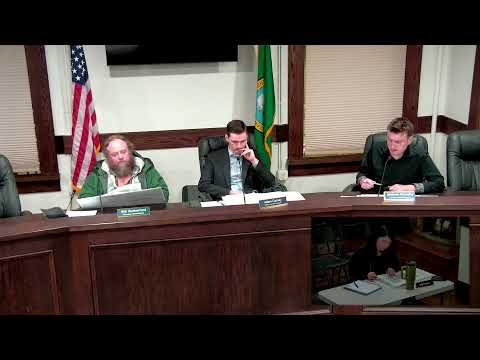
Planning staff opened a review of the transportation element of Tenino’s comprehensive plan on Jan. 8, describing pedestrian improvements, an updated list of TIP projects, and a required discussion of strategies if probable funding falls short. Unidentified Speaker 3 told the commission staff had imported the most recent Transportation Improvement Program projects into Table 4.4 and identified immediate pedestrian needs in Table 4.3.
Why it matters: The transportation element guides where the city will focus sidewalk, trail and downtown connectivity work and supports grant applications. Staff said including funding language in goals and actions strengthens grant requests to state and federal sources and helps pursue other mechanisms when grant funds are insufficient.
What staff presented and commissioners asked for: Staff noted the plan lists sidewalk and trail improvements and a downtown pedestrian gateway and suggested mirroring language from the downtown plan. Commissioners pressed for specific crosswalk improvements and safety measures, including flashing-light crosswalks near the historic district, crossings on Highway 99 to the grocery store, a missing crosswalk near the high school and baseball field (Bitter Street), and clearer pedestrian routing along Olympia Street toward the park.
On funding, Unidentified Speaker 3 said the comp-plan checklist requires a statement explaining how the city would respond if funding falls short; she listed typical alternatives such as public–private partnerships, state programs (Transportation Improvement Board, Public Works Trust Fund), local improvement districts, impact mitigation payments and voluntary contributions. She offered to provide sample action statements used by small cities to make the language concrete: “We can definitely provide some examples for you guys to look at,” she said.
Priorities and bridges: Staff pointed to Table 4.4 as the prioritized project list (first project noted was Old Highway 99 West from Highway 507 to Mima Acres Drive SE) and confirmed the plan mentions local bridges (Old Highway 99 bridge, Morningside Drive and McDuff Road). Commissioners recommended adding policies about bridge inspection and advocated pursuing state or federal assistance even if small-bridge funding eligibility is uncertain.
Next steps: Staff will solicit specific crosswalk locations from commissioners, follow up with TRPC for updated data, provide example funding-action language, and return with more finalized drafts of the transportation element for further review.