
Panel considers adding legislators to list allowed to restrict home addresses on public websites
Get AI-powered insights, summaries, and transcripts
Subscribe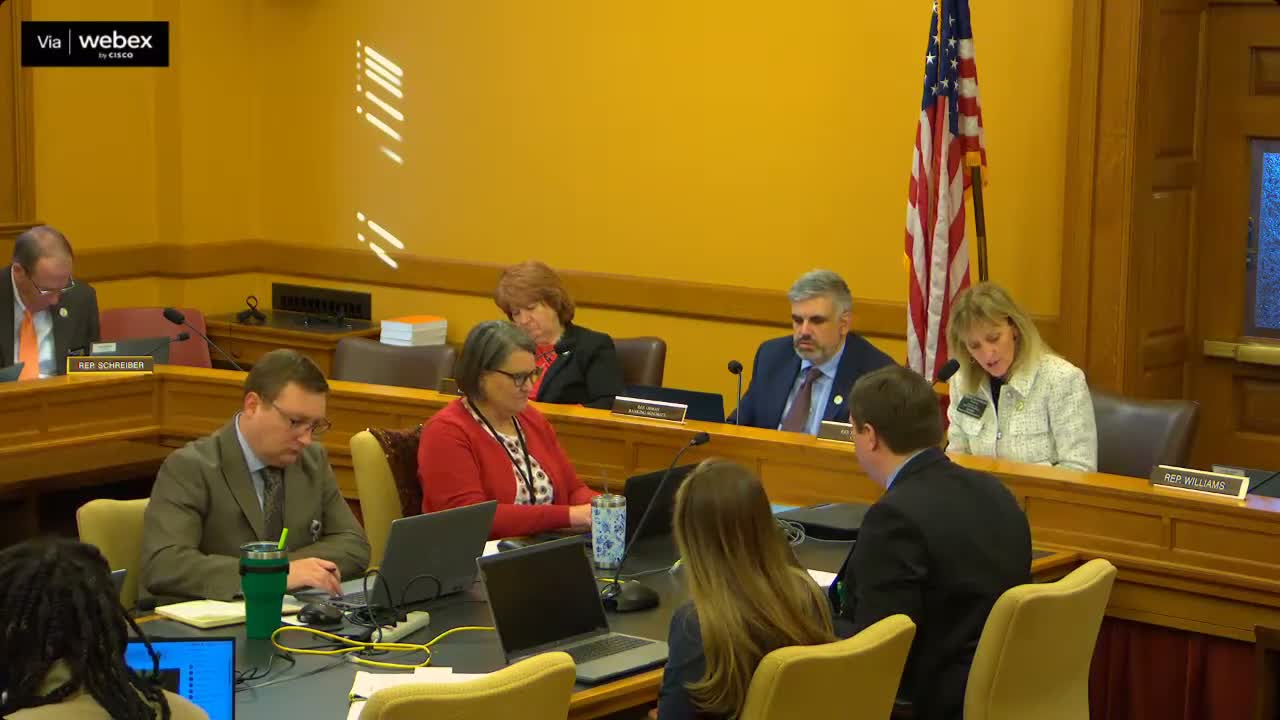
Summary
The House Judiciary Committee debated HB 24‑60, which would let members of the legislature request removal of searchable home‑address/homeownership entries from public agency websites under CORA; proponents cited safety threats to lawmakers while advocates cautioned about transparency and constituent verification.
The Committee on Judiciary opened a hearing on House Bill 24‑60, a companion to the retiree bill, that would add "a member of the legislature" to the same KSA 45‑221(a)(51) exception in the Kansas Open Records Act for restricting searchable public‑website records that identify home addresses or homeownership.
Jason Thompson (Revisor’s Office) explained the bill would permit current legislators to use the same custodian‑request process described for other listed public officials. Proponents — including Representative Robin Essex, Representative Leah Howell and Spencer Duncan (Topeka mayor / local elected official) — described threats and harassment experienced by lawmakers and local officeholders and urged protection; Essex cited June 2025 mailings of suspicious powder sent to about 100 Kansas lawmakers and national incidents where public data were used to target officials.
Opponents and neutral witnesses raised transparency concerns. Melissa Seiler of LoveLight Civic Action said restricting searchable online records may not stop bad actors (who often use commercial data brokers) and could reduce voters’ ability to verify residency, examine campaign‑finance or property records, or hold officials to account; she urged the committee to vet which public websites would be affected and recommended safeguards for constituent access, accessibility for people with disabilities, and narrow scope for exceptions.
Committee members asked staff to compile a list of the types of public websites that would be affected (county treasurer property pages, filing lists, etc.) and how verification and challenges to residency would work in practice; staff agreed to provide that research ahead of the committee's work session. No committee vote was taken.
Ending: The hearing closed with plans for staff research and likely friendly amendments; proponents signaled openness to expansion (to local officials or retirees) but the committee will consider transparency safeguards when it works the bill.