
Emporia State tells budget committee it has cut deferred maintenance and is shrinking campus footprint
Get AI-powered insights, summaries, and transcripts
Subscribe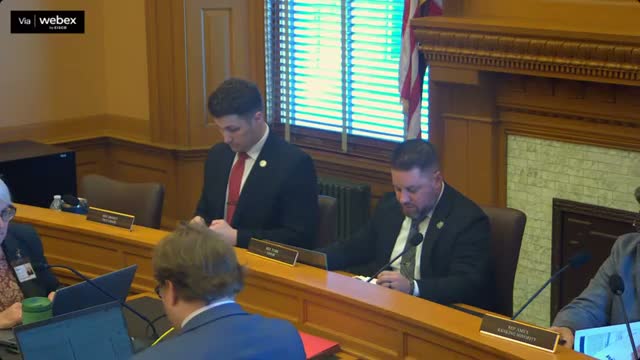
Summary
Emporia State officials told the Committee on Higher Education Budget they have used centralized budgeting and program reviews to reduce deferred maintenance and campus square footage, aiming for further reductions over the next 20 years while reinvesting savings into priority programs.
Emporia State University officials told the Committee on Higher Education Budget that the university has used data-driven budgeting, program reviews and targeted capital investments to reduce long-term facility liabilities and improve operational efficiency.
An Emporia State representative said the university carried about $90,000,000 in deferred maintenance in 2022 and has reduced that backlog by roughly 20% over the past four years while trimming campus square footage by about 140,000 square feet and realizing more than $20,000,000 in savings. The presenter said the university plans to cut another 300,000 square feet over 20 years — an anticipated 40% reduction — as part of a campus master plan.
"One of the most powerful levers ... is our space utilization," the presenter said, describing efforts to demolish underused buildings and redirect resources. The presentation also highlighted a new university "health dashboard" that consolidates financial and performance metrics to guide program and staffing decisions.
CFO Angela Wolgrom explained how recent state support was used to ease student costs tied to prior debt. "It's over $250 a year that they no longer pay," she said, describing a fee previously charged to students to service union-related debt; those fee receipts are now being used to make annual debt payments rather than being immediately defeased.
Committee members pressed the presenters on the specifics. Representative Amix asked whether the state investment eliminated student fees and whether tuition changed; the Emporia presenter said they "did eliminate student fees and no increase in tuition" in recent years, and Wolgrom confirmed the fee removal occurred about two years ago. On staffing, Emporia officials said the university reduced full-time equivalent positions by about 17% since 2013 and by roughly 6% in the past five years, relying on natural attrition and program eliminations to avoid layoffs where possible.
Why it matters: Deferred maintenance and campus footprint raise long-term costs for the state and institutions. Emporia State framed its strategy as fiscal stewardship intended to preserve campus vitality while lowering future liabilities and reallocating savings into priority academic programs and student services.
The committee did not take formal action at the hearing. Presenters stood for additional questions and the committee moved on to the next university briefing.