
Kansas committee hears sharp debate over bill letting gas utilities defer costs and seek interim recovery
Get AI-powered insights, summaries, and transcripts
Sign Up Free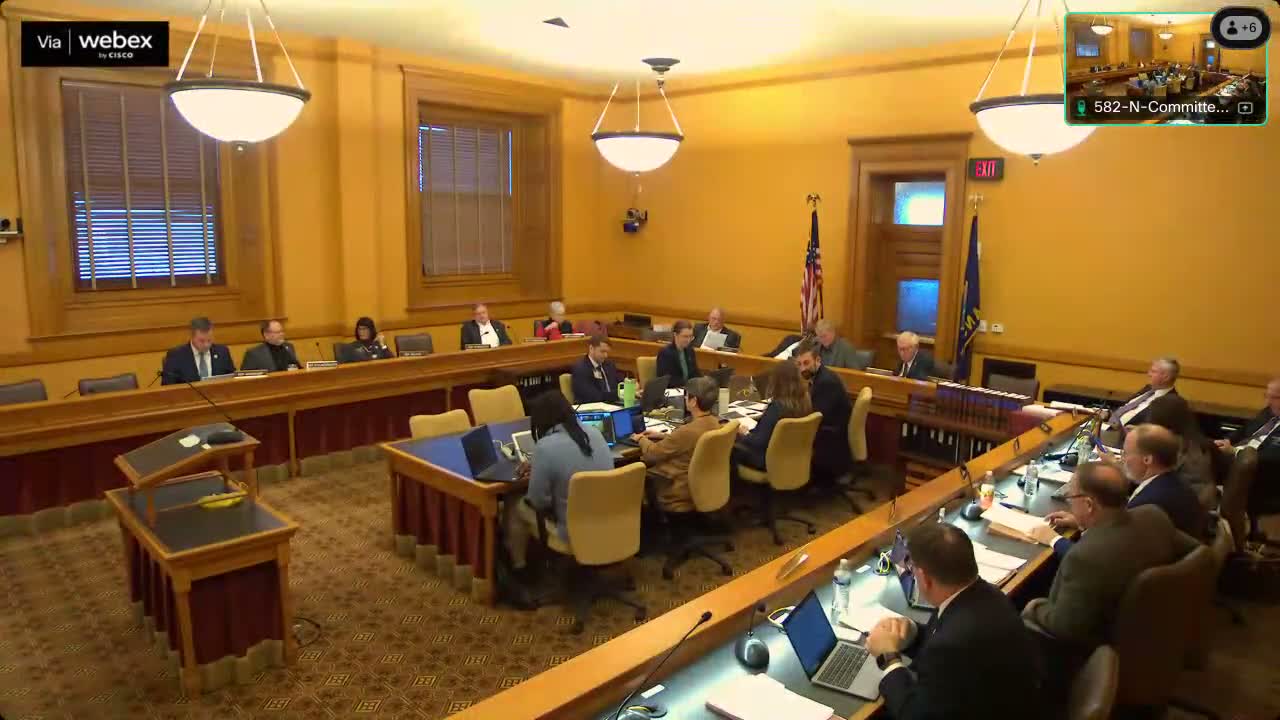
Summary
At a Jan. 26 hearing, supporters said House Bill 24 35 would reduce regulatory lag and spur investment; Kansas Corporation Commission staff, consumer advocates and ratepayer groups warned the bill’s interim recovery mechanism could add surcharges and lacks sufficient limits or sunset protections.
TOPEKA — The Committee on Energy, Utilities and Telecommunications heard a first‑reading hearing on House Bill 24 35 on Jan. 26, a bill that would let Kansas natural gas utilities defer depreciation and carrying costs into a regulatory asset and recover those amounts either in rates or through a new interim recovery mechanism.
Proponents, led by Patrick Vogelsberg of Kansas Gas Service, said the legislation remedies “regulatory lag” — the time between when utilities put plant into service and when those costs are recovered in a general rate case — and would put gas utilities on parity with recent electric accounting changes. Vogelsberg, who identified his employer as the state’s largest local distribution company, said the bill includes consumer protections such as KCC prudency review and a 20‑year amortization of deferred balances. “This allows for more stable, modest increases to happen over time instead of customers getting hit with a large jump,” Vogelsberg said.
KCC staff and consumer advocates mounted sharp objections. Justin Grady, director of the utilities division at the Kansas Corporation Commission, told the committee that the state’s existing Gas Safety Reliability Surcharge (GSRS) already provides favorable regulatory treatment to gas utilities. “In KGS’s last rate case, staff calculated that 74% of the revenue requirement associated with all of its capital investments had been recovered through the gas safety reliability surcharge,” Grady said, and he warned the bill’s interim recovery mechanism lacks limits on filing frequency and could create an investor‑favorable construct not now used in Kansas.
Consumer counsel Joseph Astrab of the Citizens Utility Ratepayer Board (CURB) and Paul Snyder of Kansans for Lower Electric Rates also opposed the bill. Astrab urged guardrails such as a sunset provision and tighter conditions to avoid effectively guaranteeing utilities’ recovery before growth occurs, saying the bill lacks the ring‑fencing that accompanied the electric provisions passed last year. Snyder said the measure would put new surcharges on customer bills and urged the committee to protect ratepayers.
The revisor’s summary of the bill explained two central elements: (1) allowing natural gas public utilities to defer depreciation expense and carrying costs into a regulatory asset that would later be wrapped into rate base at the next general rate proceeding (recovered over 20 years), and (2) creating an interim recovery mechanism that would allow utilities to file a petition with the Kansas Corporation Commission and seek a temporary rate adjustment, subject to notice and potential commission review. The bill includes a 20% cap on total annualized revenues that can be produced by an interim adjustment and a 60‑month limit tied to prior rate proceedings; the commission may extend that limit by up to 12 months.
KCC staff and intervenors suggested narrower statutory fixes instead of the bill as drafted — for example, modestly increasing the GSRS customer surcharge to address cost recovery or incorporating sunset and filing‑frequency limits into the interim mechanism. Grady said those smaller statutory changes could be “common sense” alternatives to a broader shift in rate‑making policy.
The committee took testimony from utility representatives, KCC staff, consumer advocates and public‑interest groups; no vote was taken and the hearing was closed. The chair announced the committee’s next meeting and adjourned.
• Action: First hearing on HB 24 35; no vote taken.
Next steps: The bill will remain under committee consideration; proponents and opponents signaled a willingness to negotiate statutory language and potential caps or sunset provisions that could narrow the interim recovery mechanism.