
Kansas child death review board tells committee child fatalities remain above U.S. average, urges law and protocol changes
Get AI-powered insights, summaries, and transcripts
Subscribe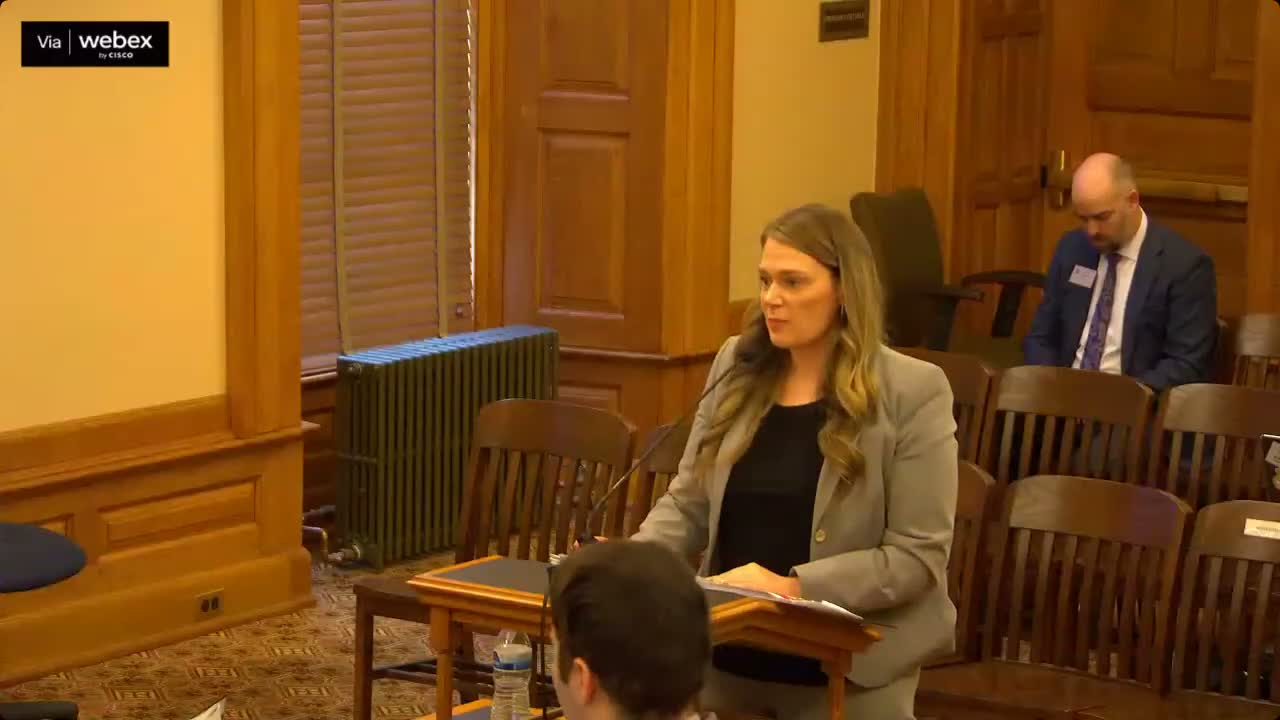
Summary
The Kansas State Child Death Review Board reported to the Committee on Child Welfare and Foster Care that Kansas child fatality rates remain higher than the U.S. average and recommended five priority changes, including adding child abuse to the state offender registry and stronger protocols for infants born to substance-using caregivers.
Sarah Hortonstein, executive director of the Kansas State Child Death Review Board, told the Committee on Child Welfare and Foster Care that Kansas' child death rates remain higher than the national average and detailed findings and policy recommendations from the board's 2025 annual report.
Hortonstein said Kansas recorded 361 child fatalities in 2023 and that, over a five-year period from 2019 to 2023, the board reviewed 1,824 child deaths. She said 54 percent of those deaths were classified as natural, 20 percent as unintentional injury, 7 percent as homicide and 7 percent as suicide, with the remaining 12 percent undetermined. "This work is not about assigning blame, but about understanding patterns, identifying risks, and making evidence-based recommendations to strengthen prevention efforts," Hortonstein said.
Why it matters: the board reported that preventable deaths were concentrated among children known to the child welfare system. Of the 677 child fatalities reviewed that involved prior child protective services history, 37 percent had CPS involvement overall, rising to 54 percent when nonnatural deaths are isolated. Hortonstein said 35 child abuse homicides were identified in the five-year period, and child abuse homicides rose by more than 180 percent in 2023.
The board highlighted particular risks for infants and toddlers: of the 677 deaths with prior CPS involvement, 231 were infants; the board reported 72 infants under age 1 with DCF involvement in the subset discussed. Hortonstein also reported a sharp rise in fentanyl-related child deaths, saying that fentanyl went "from causing no child deaths in 2019 to causing 48 deaths between 2020 and 2023." She said gun-related child death rates in Kansas also remain consistently higher than national rates.
The board presented five priority recommendations it asked the legislature to consider: expand the definition of violent offender under the Kansas Offender Registration Act to include child abuse; review safety concerns arising from recent childcare licensing exemptions; strengthen compliance with Adrianne's law and care-referral requirements by allowing the Child Death Review Board to share relevant case information with the Office of the Child Advocate where disclosure standards are not met; improve reporting of child abuse and neglect across the state; and strengthen protocols for placement and monitoring of newborns and infants born to substance-using caregivers.
Hortonstein supported the recommendation to amend statute to permit limited disclosure of board findings to the Office of the Child Advocate. "It would require an amendment to the current statute that would allow the board disclosure allowances to be able to report findings to the Office of the Child Advocate," she said. She said that step would help ensure accountability when care-referral standards are not met.
Hortonstein illustrated the report's findings with two case vignettes. In one, an infant discharged from the hospital to parents with active substance-use concerns died after sleep-related unsafe conditions; a portable crib delivered to the home remained unopened. In another case, a one-year-old sustained blunt-force injuries after prior emergency department encounters for cigarette burns; DCF had made an unsubstantiated finding despite a child abuse pediatrician's assessment, and the child later died. Hortonstein said those cases support recommendations to improve physician education, clinical-care referral responses, and statutory authority to share findings when care referrals fall short.
Committee members asked detailed questions about how and when the board receives records, whether toxicology results are broken down by substance type (Hortonstein said the report does not uniformly break down alcohol versus illicit drugs in the charts, though toxicology findings for 2023 deaths were provided), how quickly the board can review cases (final investigations and lab work can take months), and whether hospitals consistently report positive maternal tests to DCF (Hortonstein said most cases include documentation to DCF but acknowledged some substance histories are unknown).
Hortonstein said the board's recommendations are aimed at prevention and urged policymakers and community partners to use the board's data as a catalyst for change. The committee did not take formal votes on the recommendations during the hearing; members thanked Hortonstein for the report and said they would follow up with DCF and other agencies as appropriate.