Get Full Government Meeting Transcripts, Videos, & Alerts Forever!
Get email alerts on the Coia topic
No spam. Unsubscribe anytime.
County attorneys explain Conflict of Interest Act standards and required disclosures
Summary
Chief Deputy County Attorney Alan Smith briefed the Planning Commission on the Conflict of Interest Act (COIA), including what constitutes personal interest in land-use transactions, gift thresholds, disclosure forms, and enforcement channels; commissioners were urged to seek advice early.
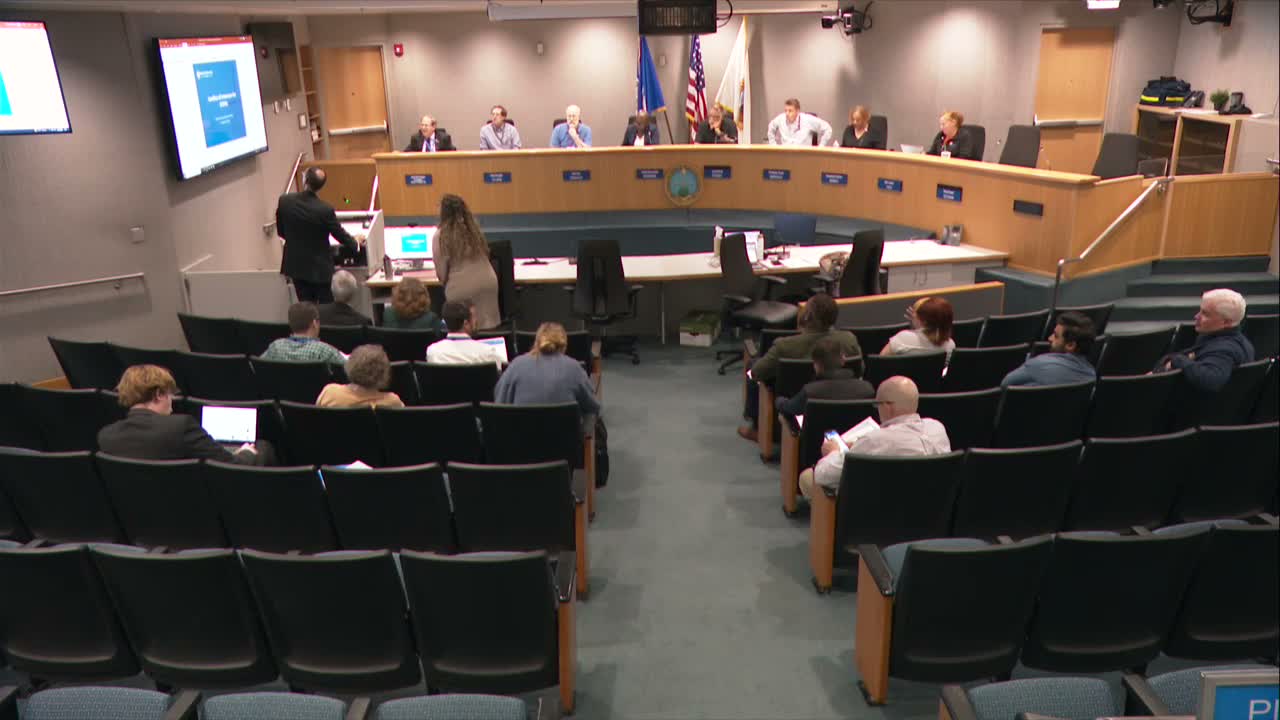
Prince William County's Planning Commission received training on the Conflict of Interest Act (COIA) from Chief Deputy County Attorney Alan Smith, who told commissioners COIA sets statewide minimum legal standards for conflicts of interest that the commission cannot alter.
"COIA is the law," Smith said, adding that the statute applies to elected and appointed officials as well as employees and covers financial benefits to officials or their household. He explained that COIA focuses on monetary interests and that personal interest must be evaluated with respect to specific transactions, such as rezonings, special-use permits and plan amendments.
Smith reviewed gifts and reporting: items under $20 are generally de minimis; items related to private employment or official attendance may not be gifts; and gifts from relatives who are registered lobbyists or entities seeking county contracts can raise additional concerns. He urged commissioners to assume monetary value when in doubt and to consult the attorney's office.
On disclosures and paperwork, Smith said the state-created financial disclosure forms are public for five years with required redactions when appropriate and that the county attorney's office can help draft filings. He emphasized the difference between disclosure and disqualification: in some cases disclosure suffices; in others, recusal is required.
Smith described enforcement: local enforcement is handled by the Commonwealth's Attorney's Office and the state Attorney General plays a role at the state level; the county attorney's office provides advice but does not enforce COIA. He encouraged commissioners to reach out early if they think a conflict may exist and noted advisory opinions are also available from the COIA Council.
Commissioners asked follow-up questions about definitions such as malfeasance, whether to use the county attorney or COIA Council first, and the process for seeking advisory opinions. Smith and County Attorney Michelle Roble offered to assist in specific cases and to facilitate contact with the COIA Council when appropriate.
The session concluded with the commission authorizing a closed meeting for legal briefings on land-use matters.