Get email alerts on the Governance Procedure topic
No spam. Unsubscribe anytime.
Commissioners begin multi-session bylaws revision; split over referencing Virginia code versus including detailed duties
Summary
During old business the Planning Commission began reviewing a proposed bylaws update; commissioners debated whether to remove language duplicating the Virginia Code, how to define advisory/nonvoting members, rename 'secretary' to 'clerk', add FOIA language and set process and timelines for final edits and voting when a full commission is present.
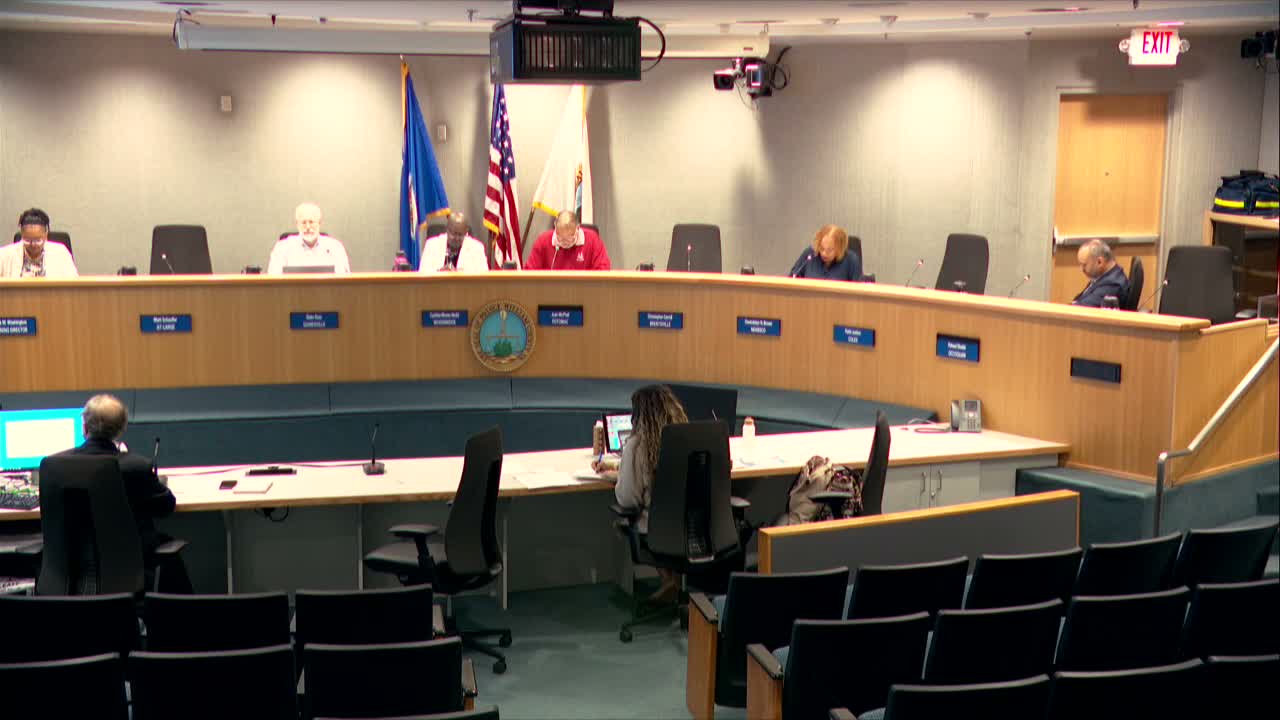
At the June 11 meeting the Planning Commission began a detailed discussion of proposed bylaws revisions circulated by Commissioner Ross. The session covered multiple governance questions and produced several procedural next steps rather than final amendments.
A central disagreement was whether bylaws should include one‑line summaries of obligations already specified in the Virginia Code or instead be streamlined to reference the Code and avoid duplication. Commissioner Ross argued duplication creates maintenance risk and recommended a concise bylaws text with an appendix of applicable Code sections; others, including Commissioner Blake and Chair McPhail, said including clear statements in the bylaws makes them more useful for new commissioners who may not consult the Code frequently.
Commissioners also discussed clarifying the difference between elected officers (chair and vice chair) and appointed staff functions, recommending the term 'clerk' be used instead of 'secretary' to reflect that the role is supplied by county staff rather than a commissioner. The group flagged the need to define advisory or nonvoting members (if the Board of County Supervisors ever appoints them) including whether advisory members count for quorum and what participation rights they would have; staff noted that a board resolution would typically set any special appointment parameters.
Other suggested edits included adding a FOIA provision, removing or consolidating redundant items, and clarifying timelines for transmitting commission products to the Board (staff recommended avoiding fixed timelines in the bylaws because board agendas and submission deadlines vary). The chair proposed reconvening the discussion with absent commissioners and taking a vote once a full body is present; commissioners agreed to continue the effort and to circulate revised language.
Next steps: Commissioner Ross will continue to refine his proposed edits and supply suggested replacement language; staff will confirm any legal constraints and provide guidance on items tied to state code or board resolutions; the commission agreed to revisit the draft at a future meeting with fuller attendance before voting on final changes.
AI generated
The text on this page is AI generated. Summaries, highlights, analysis, and video transcripts are all produced from the original source material.
AI can make mistakes, so if you spot one, and we will fix it for everyone.
Note: the source content is unaltered by us. Any content source we link to, be it a video, an audio recording, or a document, is presented exactly as its publisher released it. That publisher is usually a government body, sometimes an individual official or another organisation.