Decatur commission adopts Oakhurst Park master plan after months of debate and heavy public turnout
Loading...
Summary
After hours of public comment focused on the Oakhurst dog park, the Decatur City Commission approved a preferred Oakhurst Park Recreation Master Plan 3–2. Staff said the plan prioritizes stream restoration and underground detention to address chronic flooding; details will be refined in the design phase.
The Decatur City Commission voted 3–2 on Nov. 3 to approve the preferred Oakhurst Park Recreation Master Plan, adopting a conceptual layout that includes underground stormwater detention, stream restoration and a reconfigured dog-park boundary the city says will remain larger than half an acre.
Supporters of the park's existing dog area filled the commission chamber and hundreds signed an online petition opposing the shrinkage they saw in preliminary drawings. "This space is for the dogs and for the people who need a place to breathe and connect," said Candace Brower, who described daily visits to Oakhurst Park. Several speakers said the plan would remove mature canopy and create a higher-traffic athletic facility adjacent to homes.
City staff and the project consultant presented their rationale: decades of use have placed the dog park within an above-ground detention area and damaged the stream buffer, creating public-health, erosion and water-quality issues. "Detention ponds are designed to hold storm water, not people or pets," Parks and Recreation Director Dr. Remi Epps said during the presentation. The plan relocates detention underground and restores a continuous stream buffer; staff said that allows more reliable, year-round dry recreation space on the surface.
The recommended concept shows a regulation-size softball field, a larger multipurpose synthetic field, and a defined dog-park polygon with final fencing and internal amenities to be decided in the design phase. Consultants presented high-level cost estimates for the preferred plan (roughly $9–10 million across park areas), and staff emphasized that conceptual approval does not authorize construction: design, funding and additional community engagement would follow.
Opponents pressed the commission on specifics they said were missing from the public materials. "When dogs lose space, they lose peace," said public commenter Phil Podge. Several users urged a smaller-scope interim action: install perimeter fencing and limit access to the wet detention area while long-range design proceeds. The Environmental Sustainability Board recommended immediate measures to protect the stream buffer and supported restoring the stream corridor as proposed, while noting the board did not take a position on final dog-park size.
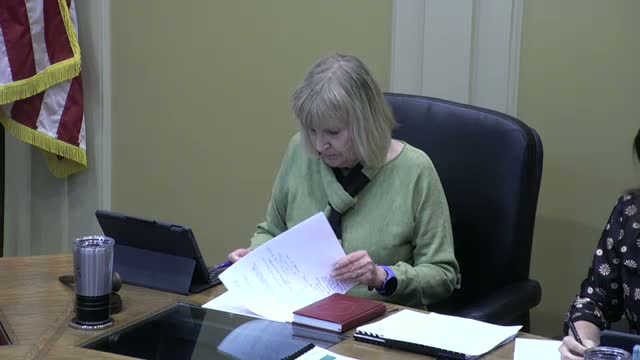
Commission debate reflected those tensions. Supporters of the plan cited the need to correct an unsafe condition and to provide fields that meet modern standards for school and college teams; others said the plan shifts the park toward an athletic complex and urged exploring alternatives or additional public outreach before committing. Commissioner Kelly Walsh seconded the motion to approve the preferred plan; the motion carried 3–2.
Next steps: staff and consultants will move to a funded design phase if project financing is secured; engineering analyses, a traffic study (if 3rd Avenue closure is considered) and focused community engagement on dog-park fencing, trails and amenities will be part of that design work. The commission and staff said interim environmental protections for the current dog-park area (such as a perimeter fence) could be pursued separately as a near-term measure.
The plan vote was the most contentious agenda item of the night; commissioners also approved separate consent items later in the meeting including EV charging at the police station and a security camera upgrade at the public works facility.