Get Full Government Meeting Transcripts, Videos, & Alerts Forever!
Get email alerts on the Water Rate Increase topic
No spam. Unsubscribe anytime.
Greenville OKs 5% Water and Sewer Rate Hike to Fund Aging Infrastructure
Summary
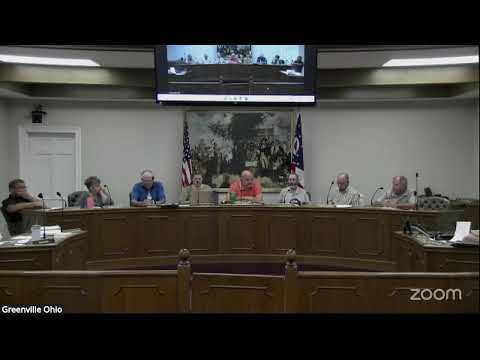
Greenville City Council voted to raise water and sewer rates 5% effective March 1, 2026, to begin funding multiple mandated and capital projects including lead service line replacement, meter and plant upgrades, and loan repayments for a new water tower.
Curtis Locker, Greenville—s water department superintendent, told the City Council on Oct. 7 that the city needs sustained revenue to address an array of near- and long-term capital needs and regulatory mandates and recommended a 5% water-and-sewer rate increase.
"Clean, safe, and reliable water doesn't just happen," Locker said, outlining projects and costs including a $250,000 biennial lagoon cleanout; a nearly 29% rise in chemical costs over the last two years; a $466,000-per-year loan payment expected to begin after the industrial-park water tower is completed; and a state-mandated lead service-line replacement program beginning in 2027 that Locker estimated could cost about $1,500,000 per year.
The increase adopted by council would take effect March 1, 2026; staff told the council the 5% change represents roughly $200,000 in additional revenue annually and would add "approximately a dollar and 54¢" to each monthly bill after the stormwater fee adjustment noted elsewhere in the ordinance. Locker warned those sums would not fully cover all projected needs and that future increases or other financing measures may be required.
Council members questioned how the listed cost drivers related to the 5% proposal. Locker said the 29% chemical-cost increase was the cumulative change over two years and that this year's chemical-price jump was smaller, but long-term obligations (loan repayments, meter replacements, and mandated lead-line work) will materially increase annual needs.
Council discussion focused on communicating impacts to residents and on how to present the change in dollars per household rather than only percentages. Members suggested including an explanatory insert with utility bills and other public outreach so residents can see dollar-by-dollar effects. One council member said bluntly that household water bills may nearly double over a five-year period if subsequent capital needs and mandates are funded primarily through rate increases.
The ordinance amending water and sewer rates and related utility fees was moved and adopted on a council roll call. The ordinance also adjusted the monthly stormwater fee to $3.10 and reduced the sewer tap-in fee from $1,350 to $600.
The ordinance takes effect March 1, 2026; the council did not identify additional immediate actions beyond implementing the rate change and continuing to report cost and budget projections to the public.