Get Full Government Meeting Transcripts, Videos, & Alerts Forever!
Get email alerts on the Occupational Licensing topic
No spam. Unsubscribe anytime.
Cosmetology board defends licensing and inspections amid staffing, reserve and consolidation questions
Summary
The Board of Cosmetology and Barbering told lawmakers it regulates roughly 70,000 licensees, has moved to online renewals and increased reserves to about $1.3–1.8 million; legislators pressed the board on inspection gaps, staffing shortfalls in some regions and whether licensing rules protect public health or serve industry interests.
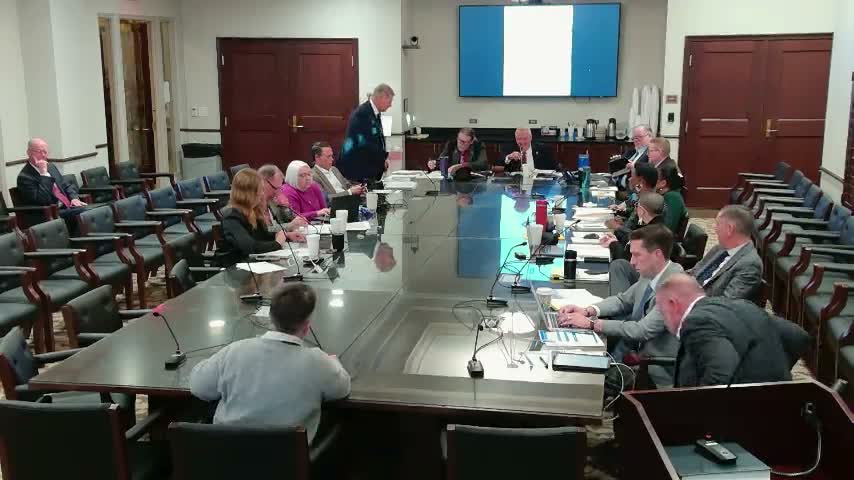
Mimi Casebolt, interim executive director of the Oklahoma Board of Cosmetology and Barbering, told the committee the agency oversees about 70,000 licensees across salons, barber shops, nail and aesthetic services. She said the board adopted online licensing and improved turnaround times but that inspection capacity is strained: some regions lacked recent inspections and hiring qualified master‑instructor inspectors has been difficult.
Casebolt cited a reserve balance in the $1.3 million to $1.8 million range built through licensing revenues and noted that recent statutory changes reduced some training hours (for example, a 12‑hour blow‑dry certificate). She defended remaining licensing and inspection requirements as public‑health safeguards — citing infection, nail‑related amputations and chemical‑handling risks — and said inspectors operate from mapped schedules but the agency struggles to recruit qualified inspectors and to procure state vehicles for travel in some cases.
Lawmakers pressed the board on perceived protectionism (multiple narrow license categories), reserve growth and whether consolidation would improve efficiency. Casebolt said consolidation of administrative back‑office functions may be possible but that licensing and inspection duties require specialized expertise. Several legislators asked the board to provide a written plan on use of reserves and hiring steps to close inspection gaps.