Get Full Government Meeting Transcripts, Videos, & Alerts Forever!
Get email alerts on the Sb 490 topic
No spam. Unsubscribe anytime.
Senate health panel backs timeline for DHCS probes of unlicensed sober-living homes
Summary
The Senate Health Committee voted unanimously to advance SB 490, which sets timelines for the Department of Health Care Services to investigate allegations against unlicensed sober-living homes and creates a pathway for local governments to assist if the department misses those deadlines.
The Senate Health Committee voted to advance SB 490, a bill that would require the Department of Health Care Services (DHCS) to open and complete investigations of alleged unlicensed sober-living facilities on a fixed timetable and allow local governments to step in if DHCS misses those deadlines.
Senator Hamburg, presenting SB 490, told the committee that a recent state audit found DHCS had not consistently investigated allegations of unlicensed facilities and in some cases failed to follow up after substantiating violations. "Per the recommendation of the state's auditors report, SB 490 institutes a timeline to initiate investigations of unlicensed facility allegations within 10 days, complete investigations within 60 days, [and] issue violation notices within 10 days of completing the investigation," the senator said. The bill also requires a mandatory follow-up site visit to verify unlawful services have stopped.
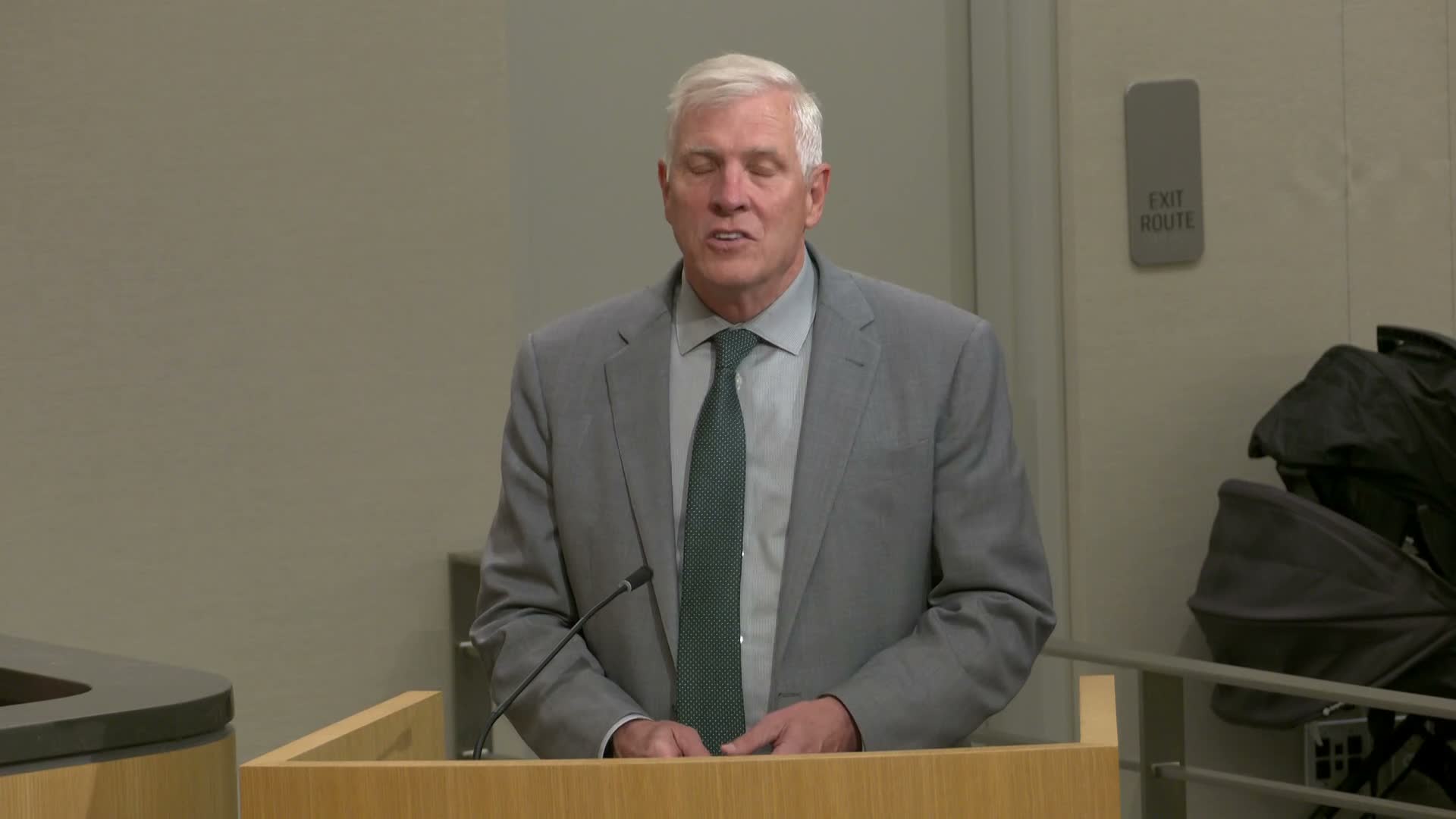
Supporters, including Garden Grove City Council member Ariana Resegui and Carolyn Grinder of the League of California Cities, said the changes would give communities a clearer path to enforcement. Resegui told the committee the measure would provide "reassurance that investigations of unlawful residential recovery operations will be handled swiftly and thoroughly" and that local governments could collaborate with state officials to protect neighborhoods.
County behavioral-health leaders opposed or cautioned against the bill. Amar Ashid, director of legislative affairs for the County Behavioral Health Directors Association of California, said counties generally lack jurisdiction over private sober-living residences and warned the bill could expose counties to "significant liability risk and a potentially unfunded workload increase." "The issues the author discusses are rooted in private sober-living facilities… [and] county behavioral health has no jurisdiction or authority over these unlicensed private residences," Ashid said.
Committee members pressed both sides on jurisdiction and capacity. Proponents emphasized the bill does not force counties to act but creates a pathway that counties may use when DHCS does not meet the new timelines. DHCS and the author acknowledged capacity concerns; proponents said the timeline language is intended to push the department toward more consistent follow-up while preserving discretion on local involvement.
The committee recorded the bill as passed out of the Health Committee and referred it to the Senate Committee on Appropriations; the committee announced the recorded committee vote as 9 to 0 on the record.
Next steps: SB 490 will be reviewed by the Senate Appropriations Committee, where fiscal and implementation questions, particularly about DHCS capacity and county liability, are likely to receive further scrutiny.