Get Full Government Meeting Transcripts, Videos, & Alerts Forever!
Get email alerts on the Council Procedures topic
No spam. Unsubscribe anytime.
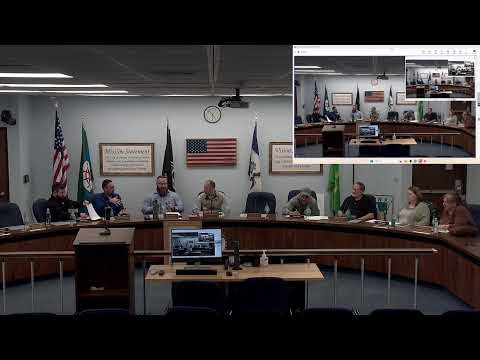
City attorney leads Clinton City Council training on open-meetings, conflicts and voting rules
Summary
At a training session for newly seated Clinton council members, the city attorney reviewed open-meetings requirements, voting thresholds for ordinances and resolutions, public hearing procedures, conflict-of-interest rules and best practices for working with staff.
Pat, the city attorney, led an orientation for newly seated members of the Clinton City Council, outlining procedural rules, legal obligations and practical steps to avoid common pitfalls.
The training, described by Pat as a review of the council manual and local practice, covered when formal public hearings are required, how to prepare agenda items and the difference between motions, amendments and resolutions. "The first thing that I wanna tell you is we do have rules and procedures that we've adopted as counsel," Pat said, urging members to bring the manual to meetings and raise a "point of order" if they believe a process is being misapplied.
Pat emphasized statutory vote thresholds, explaining that ordinances and many resolutions require the affirmative vote of a majority of the entire council — not merely a majority of members present. "We always need 4 members voting yes to pass an ordinance," he said, using the four-vote example for a seven-member body to illustrate how absences or conflicts can change required tallies.
The attorney also clarified the treatment of abstentions and conflicts. If a member formally declares a conflict and is excused, Pat said, that member is removed from the pool for that item and the effective council size is reduced; an unqualified abstention, by contrast, typically does not alter the formal vote threshold.
On public participation, Pat reviewed practices for formal and informal hearings, including ways to ensure fairness when many speakers want to be heard. He recommended recording speakers' names and addresses for the public record in contentious matters and said the presiding officer may limit repetitive or irrelevant comments to keep meetings moving.
The session also covered open-records and open-meetings training requirements: new council members must complete statutorily mandated training (Pat cited a 90-day window), obtain a certificate and file it with city staff. He pointed members to online training options and said staff can arrange in-person sessions.
Pat urged caution when constituents raise disputes that may lead to litigation, advising council members to avoid making public commitments and to refer such matters quickly to staff or the city attorney: "If you even sniff that there's a lawsuit going on... take copious notes and don't commit to anything," he said.
Other topics included the proper use of working groups and committees, avoiding 'walking quorums' by not contacting multiple council members outside public meetings, and the council attorney's role as a city-appointed officer who advises the council but acts primarily on direction from a majority of council members.
Pat closed by offering full training modules to satisfy statutory requirements and reminding members that the council's business meeting would begin the following Tuesday. Staff said they would circulate calendar reminders and meeting packets so members could prepare in advance.