Get Full Government Meeting Transcripts, Videos, & Alerts Forever!
Get email alerts on the Heat Pumps topic
No spam. Unsubscribe anytime.
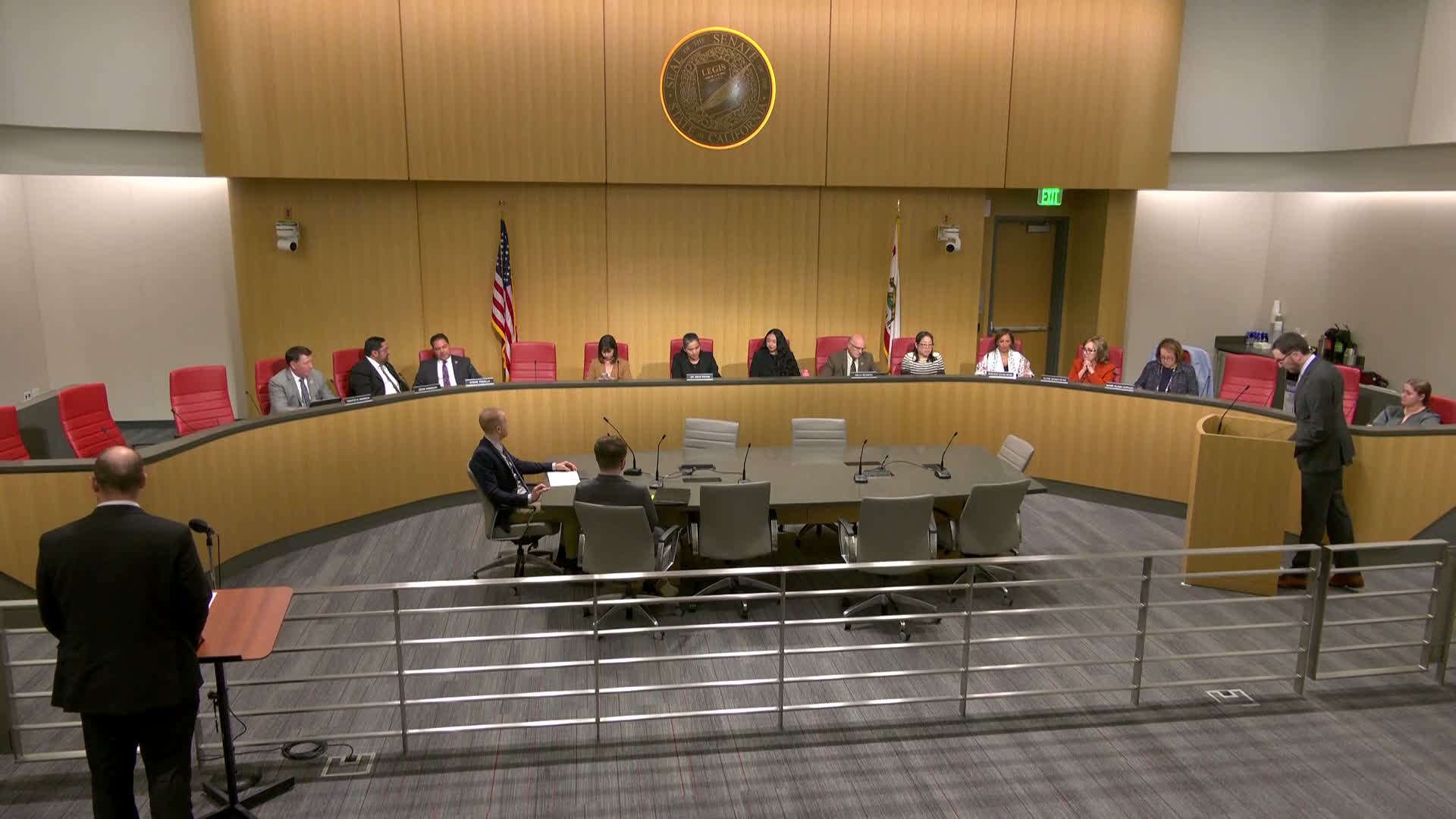
Senate panel advances Wiener’s bill to speed heat-pump permits and limit HOA barriers
Summary
The Senate Housing Committee voted to send SB222 to local government after testimony that the bill would standardize permitting for heat pumps, allow contractors to participate in inspections remotely and curb some HOA restrictions. Cities raised concerns about fee caps and remote inspection limits; the author agreed to meet stakeholders.
Sen. Scott Wiener introduced SB222, the Heat Pump Access Act, saying the measure “will make cost saving heat pump, water heater, and HVAC installations faster, simpler, and more affordable by streamlining the permit process.” The bill aims to standardize permitting for common, replacement heat‑pump jobs, allow contractors to join inspections by phone or video, and prevent some homeowners’ associations from using aesthetic rules to block installations.
Sam Fishman of Spur, a Bay Area nonprofit cosponsoring the measure, told the committee that permitting for heat pumps is “often a time consuming and costly endeavor” and that HOA requirements and inconsistent local rules can lead to lengthy delays. Contractor Aaron Gianni said his company navigates more than 109 different building departments and that “different inspectors, changing paperwork requirements, high fees, and strict setbacks sometimes make installation impossible.”
Brady Gurn, representing the League of California Cities, registered respectful opposition and asked why the bill sets a specific permit fee cap of roughly $150–$200. He warned that fee caps could hamper cities’ ability to recover costs for services, and questioned whether remote inspections can reliably detect safety problems that require hands‑on review.
Committee members pressed the author on liability and the risk that some customers—especially in mobile‑home parks or older buildings—might need electrical‑panel upgrades that are costly to perform. The author and supporters said the bill does not mandate installations but targets straightforward replacement jobs and that panel upgrades should be rare in most cases. The author agreed to meet with the League to discuss fee and inspection concerns.
After testimony and questioning, the committee moved SB222 to the local‑government committee. The motion passed on a roll call.