Get Full Government Meeting Transcripts, Videos, & Alerts Forever!
Get email alerts on the Construction Licensure topic
No spam. Unsubscribe anytime.
Senate committee advances contractors' fairness bill after debate over burden and consumer protections
Summary
SB 342 would allow contractors to recover payment for work performed while licensed even if their license lapsed for part of a project; proponents said it prevents disproportionate financial penalties for small contractors, while the chair raised concerns about consumer remedies and litigation implications. The committee voted 9-0 to send the bill to Judiciary.
Sen. Umberg presented SB 342, the Contractors Licensure Fairness Act, as a measure to allow proportional recovery for contractors when a license lapses for part of a project. He said the bill would let a contractor recover payment for work performed while properly licensed, while preserving the prohibition on collecting for periods when the contractor was unlicensed.
“Contractors will be able to recover payment for work completed while licensed, even if they were unlicensed for part of the project,” Umberg said, and emphasized that the bill does not allow recovery for unlicensed days and does not permit a contractor to begin work while unlicensed.
Testimony came from construction sector representatives. Danny Curtin (California Conference of Carpenters) and Robert Nida (technical assistance) supported the measure; Nida described existing law as allowing total disgorgement — a complete forfeiture of payment — which can be “draconian” and potentially ruin small contractors. Additional trade organizations recorded brief statements of support.
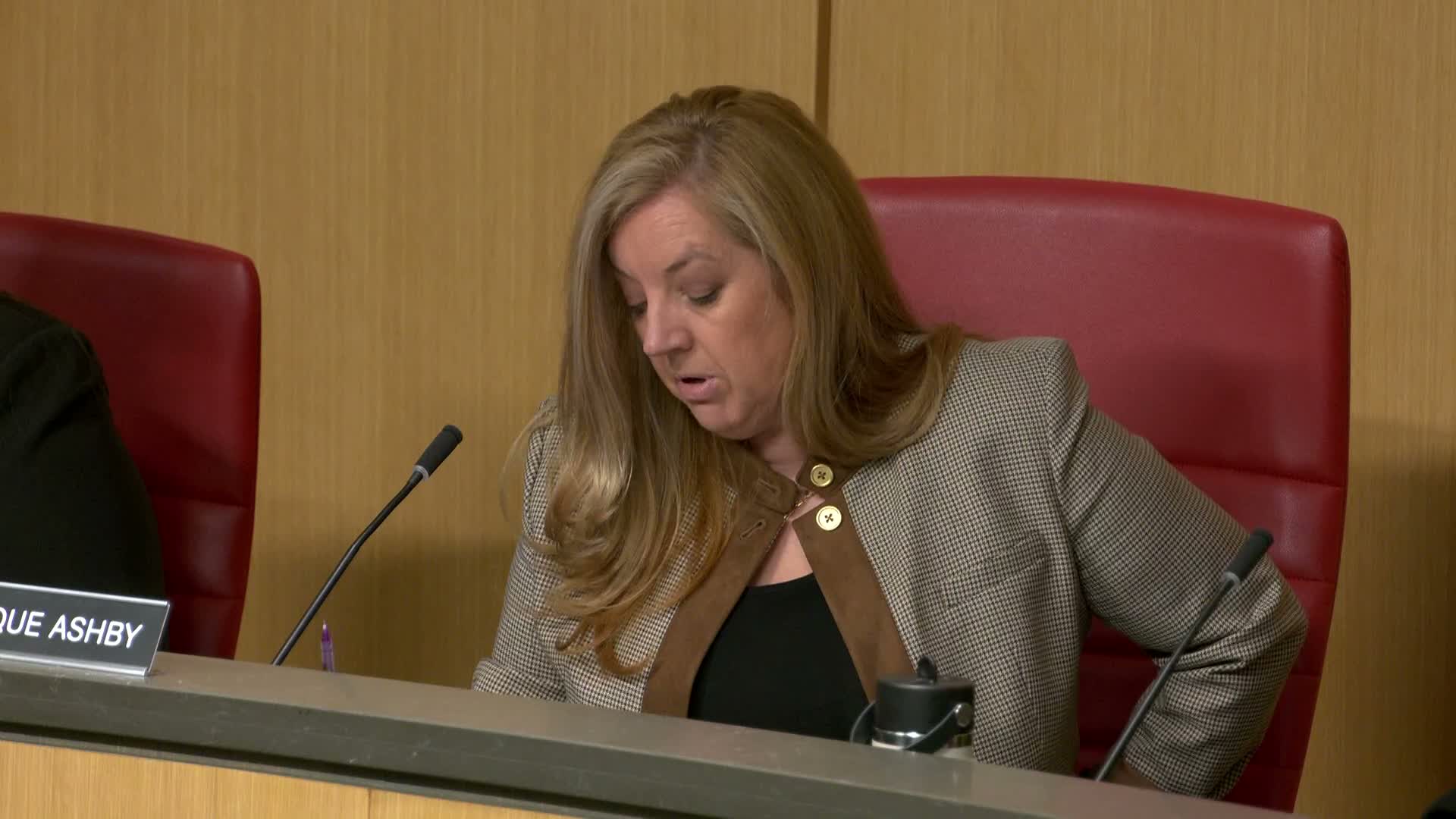
The committee’s chair expressed several concerns on the record. She noted current notice procedures (two months of renewal reminders plus a 90-day cure period) and questioned why a contractor would fail to act on renewal notices; she flagged litigation mechanics, the risk of creating an unintended consumer loophole, and whether the bill effectively shifts burdens of proof in suits. She said she would vote yes for today’s committee action but asked that Judiciary and Appropriations examine the issues further.
Proponents, including Mr. Nida, responded that existing law already places the burden on contractors to plead and prove licensure and that SB 342 does not shift that burden; the sponsor and supporters said the bill is intended to prevent an owner from reaping a windfall where a short administrative lapse occurs years after performance.
After extended Q&A on notice, burden of proof, and enforcement, the committee voted to pass SB 342 to the Judiciary Committee. The clerk recorded a 9-0 vote.