
Missouri panel hears clash over making implicit‑bias CLE optional for attorneys
Get AI-powered insights, summaries, and transcripts
Subscribe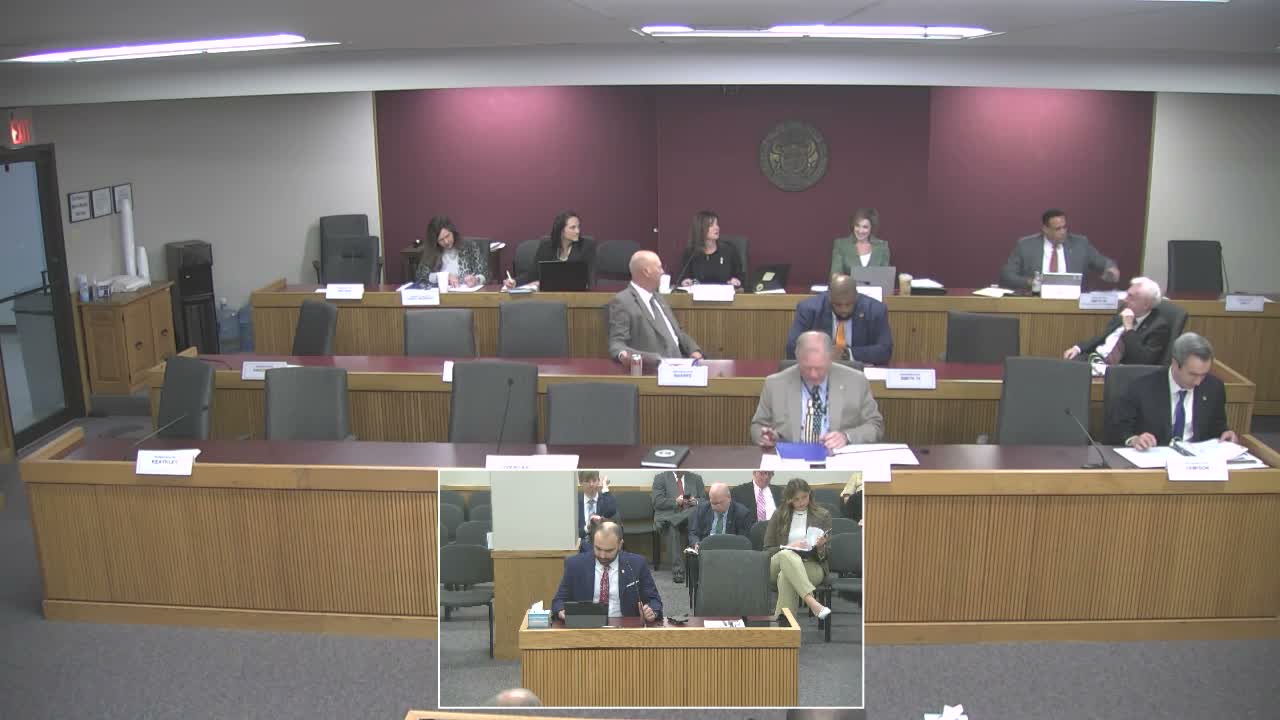
Summary
Supporters of HB 2086 told the House Judiciary Committee the elimination‑of‑bias continuing legal education credit should be optional so attorneys can pick practice‑relevant training; opponents including the NAACP and several representatives argued the mandate improves cultural competency and client outcomes.
Representative Keithley sponsored House Bill 2,086 and told the Judiciary Committee the measure would remove the mandatory status of the elimination‑of‑bias continuing legal education (CLE) hour so attorneys may select CLEs that are most useful to their practice. He said many CLEs are valuable but that some ‘‘are largely a distraction’’ and at times have veered into political advocacy rather than practice‑focused instruction.
Representative Keithley said the bill does not ban elimination‑of‑bias offerings but would treat them like other elective CLEs, preserving the total 15‑hour CLE requirement while restoring flexibility for attorneys. He said attorneys can be trusted to choose useful courses and that market demand will sustain valuable training.
Representative Smith and other committee members strongly opposed the change. Representative Smith argued it would be a step backward for professional development and recounted client‑service examples showing why cultural competency and implicit‑bias training matter. Representative Smith said such training can change courtroom outcomes when prosecutors or defenders better understand client perspectives.
Sharon Goway Jones, testifying for the State Conference of the NAACP, opposed HB 2086 and gave job‑specific examples of effective implicit‑bias training, including a seminar on the history of redlining that helps city attorneys and planners understand zoning impacts and a class on how mesothelioma cases differ for female clients. She said those trainings are often practice‑relevant rather than politically driven.
Proponents and opponents differed on whether the required hour primarily improves legal competence across all practice areas or imposes a one‑size‑fits‑all mandate that reduces flexibility. The committee concluded public testimony on HB 2086 after hearing advocates on both sides; no vote was recorded during the hearing.
The committee is expected to decide next procedural steps at a later meeting.