Get Full Government Meeting Transcripts, Videos, & Alerts Forever!
Get email alerts on the School Configuration topic
No spam. Unsubscribe anytime.
Cedar Rapids school leaders present three grade‑configuration models; public survey due Feb. 6
Summary
District staff and community members outlined three grade‑configuration options — two high‑school/junior‑high (7–9), a 5–8 intermediate model, and PK–4 elementary — and the board announced a public survey due Feb. 6; no decision was made.
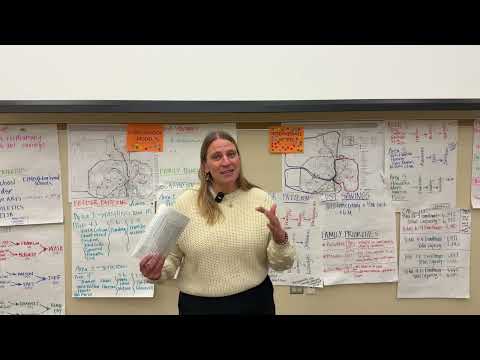
At a board recap meeting, Ashley Burns, a school board member in District 3, said district leaders and community coalition members presented three grade‑configuration models under consideration for the Cedar Rapids Comm School District and reiterated that the board has made no decision.
Caleb Klaus, Freshman Academy instructional lead at Jefferson High School, described a two high‑school proposal that would consolidate the district’s high‑school configuration to two 10–12 campuses and adopt a junior‑high structure for grades 7–9. Klaus said the change would give ninth graders an extra year in a junior‑high setting and argued it would improve resource allocation, saying the district could "funnel down" funding and programming to larger, more sustainable athletics and fine‑arts programs.
"We would consolidate down to 2 10 through 12 high schools following a junior high model that would run 7 through 9," Klaus said, adding that consolidation could allow extracurricular programs to "flourish."
A parent identified as Sarah presented the 5–8 intermediate model, describing it as a way to keep the advantages of the intermediate model while "reducing student transitions" and offering equity and behavioral benefits. "We love the 5 8 model because it maintains all the advantages of the intermediate model, but it reduces student transitions," she said.
Jocelyn, principal at McKinley, outlined an intermediate 5–8 presentation that offered two options based on building capacity and classroom counts. She said the model would support teaming, professional learning communities and earlier access to band, vocal and orchestra for fifth‑ and sixth‑grade students. Jocelyn also noted certification and staffing issues, saying the district’s certification requirements differ between K–6 and 7–8 staff and that combining grades can ease singleton‑grade staffing challenges.
The meeting did not include a formal vote. Burns told attendees, "I just wanna reiterate that no decision has been made," and said the district will send a public survey with responses accepted through February 6 to gather community input before any next steps.
The board plans to review survey results and public feedback before taking any formal action; no timeline for a final decision was presented at the meeting.