Get Full Government Meeting Transcripts, Videos, & Alerts Forever!
Get email alerts on the Sb707 Brown Act topic
No spam. Unsubscribe anytime.
Council told to adopt teleconferencing and disruption protocols ahead of July 1 SB 707 deadline
Summary
Staff briefed the council on SB 707 changes to the Brown Act that expand teleconferencing options and require two‑way communication, disruption policies and accessible materials; staff will return with a policy, and the city must have required measures in place by July 1.
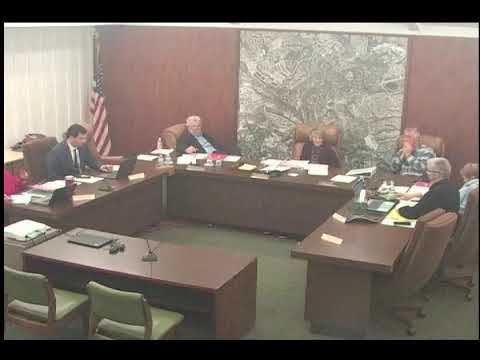
City staff told the Rolling Hills City Council it must adopt procedures to comply with SB 707 changes to the Ralph M. Brown Act that expand teleconferencing options and add requirements for two‑way communication and disruption protocols.
The staff presentation explained SB 707 reorganizes and expands teleconferencing provisions and creates a "just‑cause" teleconference option for members who cannot attend in person due to physical or family medical emergencies. "Some of these items...will require [action] prior to the July 1" implementation date, staff said.
Staff and the city attorney clarified that some teleconference options took effect earlier this year, but the two‑way communication and disruption policies must be in place by July 1. The city attorney said minutes should record a general reason a member participated remotely, but sensitive personal medical details are not required. Staff also noted translation and interpretation requirements apply only if the city's population surpasses statutory thresholds based on census data; staff said the city does not meet that threshold under the 2020 census but will still develop outreach plans for underrepresented groups.
Council members raised practical concerns: how to handle technical failures, the law’s prescribed one‑hour period to try to resolve remote‑access disruptions before making findings to continue, and equipment reliability. Staff said they will draft a remote‑participation/disruption policy, address interpretation accommodations, and work with the city attorney to present a recommended procedure to the council before the July 1 compliance deadline.