DIFS: Milliman study finds Michigan’s 2019 no-fault reforms cut average premiums but shifted costs and raised access questions
Loading...
Summary
DIFS told the House Insurance Committee that Milliman’s analysis estimates the 2019 no-fault reforms reduced average auto insurance premiums by about $357 per vehicle (≈18.8%) between 2019 and 2024, while medical fee-schedule changes and higher BI limits shifted some costs and left open questions about access to care for some accident victims.
The House Insurance Committee heard on Dec. 1 from the Michigan Department of Insurance and Financial Services (DIFS) about a Milliman, Inc. study of the 2019 no-fault auto insurance reforms and their impact on premiums, coverage choices and access to care.
DIFS legislative liaison manager Jenny Geese introduced the presentation and said the legislature directed the study in the FY2025 budget; Milliman won the competitive procurement and executed a conflict-of-interest plan overseen by DIFS. Geese said Milliman used insurer filings (2016–2024), Michigan Catastrophic Claims Association (MCCA) payment data, Medicaid and Medicare datasets and other commercial data covering roughly 92% of the private-passenger market to estimate effects of the reforms.
Joseph Sullivan, director of innovation and research at DIFS, summarized Milliman’s executive findings: between 2019 and 2024 the report estimates the reform reduced the overall average auto insurance premium per vehicle by about $357, or roughly 18.8 percent. The report attributes most of that reduction to changes in personal injury protection (PIP) coverage. Milliman estimated average PIP premium per vehicle fell substantially (the presentation cited a decrease of about $369, roughly 44.7 percent for the PIP portion), while the bodily-injury (BI) portion of policies increased by about $21 per vehicle (about 6.5 percent). The MCCA assessment per insured vehicle declined by roughly $120 since 2019, the presentation said.
The Milliman analysis also documented changes in consumer choices: the share of insured vehicles selecting a limited PIP option or opting out rose from about 17.6 percent in 2021 to just under 29 percent in 2024, and uptake of the statutory $250,000 BI option grew from about 8.6 percent in 2021 to about 14.2 percent in 2024. Sullivan said roughly 80 percent of policies now have limits at or above the $250,000/$500,000 default levels introduced by the reform.
Geographically and demographically, the report found variation in impacts: Wayne County and the surrounding metro area saw the largest dollar and percentage PIP savings, while older policyholders (over 64) experienced greater PIP savings than other age groups. Sullivan urged committee members to consult appendix B of the report for county-level detail.
On access to care, Milliman told the department it could not draw definitive conclusions from complaint data alone. The report noted a spike in access-to-care complaints in 2021–22 — many related to accidents that occurred before the reform — and said that several factors may have contributed to an apparent decline in complaints after 2022, including market adjustments, judicial rulings and DIFS’s complaint process. DIFS cited a Michigan Supreme Court decision referenced in the report (identified as the “Endory” decision) as affecting application of the medical fee schedule to pre‑reform policies; the department said that decision likely influenced complaint trends.
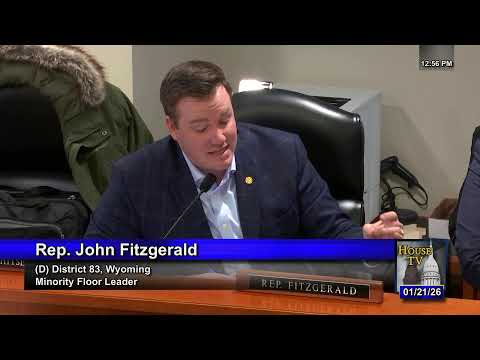
Committee members asked detailed technical and policy questions. Vice Chair Tisdale asked whether primary insurers must state when they are the primary payer under a given PIP option and whether insurers retain subrogation rights; Sullivan replied that payment obligations depend on the PIP option a consumer selects and on the facts of each accident, and that subrogation is not categorically excluded but depends on circumstances and policy terms. Representative Fitzgerald pressed whether fewer complaints necessarily indicate improved access to care; Sullivan acknowledged that complaint counts alone cannot prove improved access and pointed to Milliman’s controls for COVID-era driving changes and other adjustments described in the report’s technical appendix.
Members raised consumer-protection concerns about insurer total-loss decisions for new, high-cost vehicles (for example, some members cited anecdotes involving Teslas), and asked DIFS to clarify statutory limits on valuation, storage and transportation fees that can affect total-loss determinations. Sullivan said DIFS would provide additional information on those statutory and regulatory constraints.
Sullivan and Geese highlighted consumer resources: DIFS maintains an online page explaining auto insurance options, how to shop for coverage, how to file complaints, and a fraud reporting portal. The presentation concluded with members thanking the department for the report and asking for follow-up data on interstate comparisons, specific statutory language for payer coordination, and any additional analysis DIFS can provide.
The committee approved routine minutes and excused absent members by unanimous voice/consensus motion; there were no roll-call votes on policy items during the hearing. The department noted the full Milliman report and appendices are available on the DIFS website for members and the public.